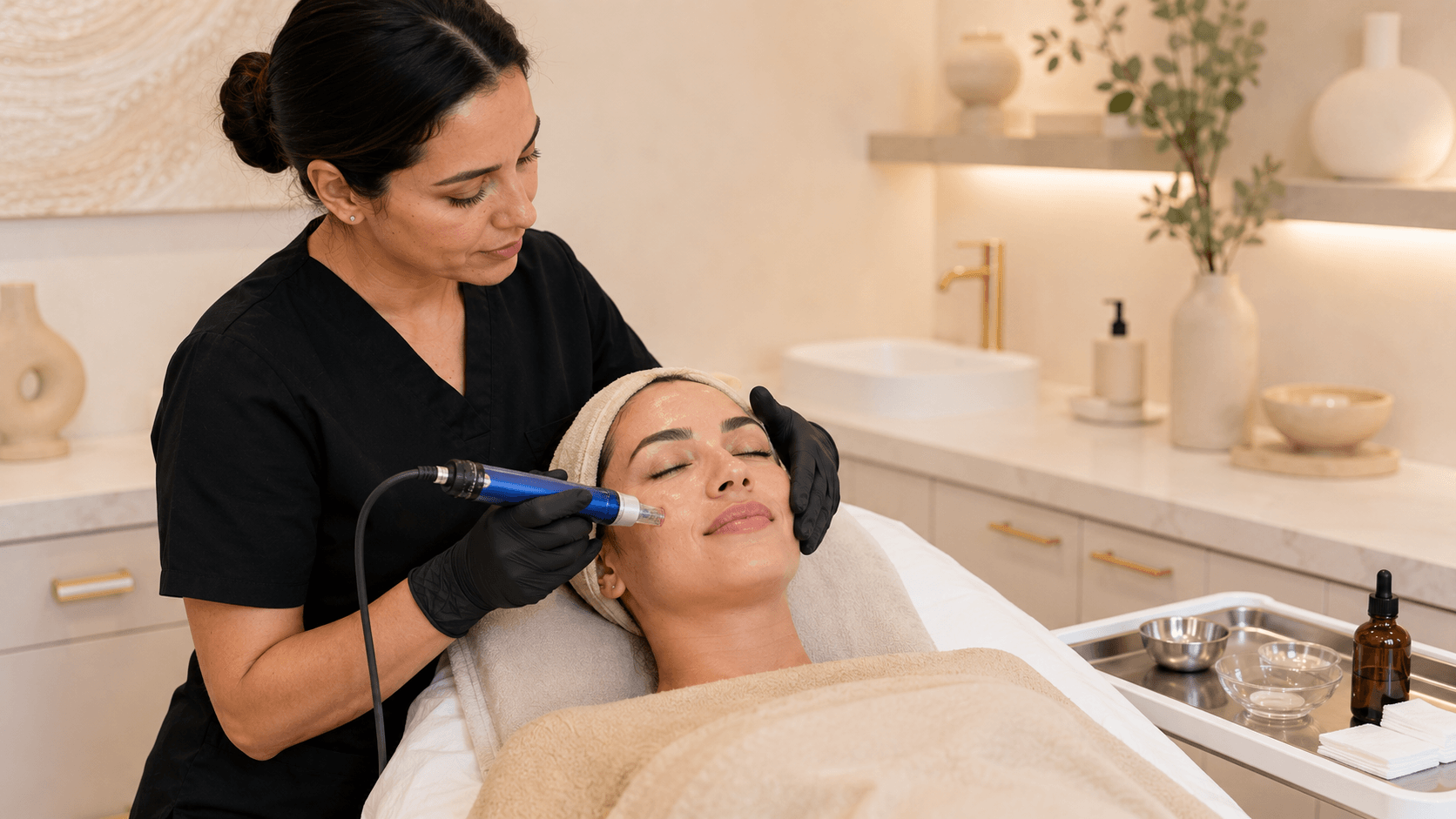
Your skin is your body’s largest organ—and arguably its most sensitive to the whims of Mother Nature. As the seasons change, so do the environmental stressors that your skin faces. One day, you’re battling winter dryness; the next, you’re sweating through summer humidity. Whether it’s cracking from the cold or breaking out from the heat, your skin has a love-hate relationship with the weather.
Understanding how seasonal changes impact your skin gives you the power to adjust your skincare routine accordingly—and glow no matter the forecast. Let’s break down exactly what happens to your skin across the four seasons and what you can do to stay ahead of the game.
Jump To:
TLDR – Quick Guide
- Winter = Dryness, flaking, redness
- Spring = Allergies, acne, increased oil
- Summer = UV damage, breakouts, dehydration
- Fall = Recovery, dryness, pigmentation
- Solution: Adjust skincare routines, hydrate more, swap products seasonally
Detailed Breakdown: How Seasonal Changes Impact Your Skin
Winter: The Great Moisture Robbery
Cold air, indoor heating, and biting winds = a triple threat that strips moisture. The result? Itchy, red, flaky skin. Your natural barrier is compromised, leaving you prone to irritation and sensitivity.
What to do:
- Use a richer, ceramide-packed moisturizer
- Switch to cream-based cleansers
- Use a humidifier indoors to fight off dryness
Spring: The Skin Awakening (Allergy Edition)
As temperatures warm and pollen floats freely, skin can get irritated, breakout-prone, or blotchy. Spring is basically a reset button for your skin, but it’s not always gentle.
What to do:
- Introduce gentle exfoliation (2x/week max)
- Stay consistent with SPF (yes, even when it’s cloudy)
- Use anti-inflammatory products like niacinamide
Summer: Sun, Sweat, and Sebum
Sun exposure peaks and sweat glands go into overdrive. This combo invites clogged pores, acne, and UV damage. If you’re not layering SPF, you’re gambling with your skin’s future.
What to do:
- Switch to lighter, non-comedogenic products
- Apply broad-spectrum SPF 30+ daily
- Reapply sunscreen every 2 hours when outdoors
Fall: The Rebuild Season
Fall is about undoing summer damage—think hyperpigmentation and dehydration—and prepping for winter’s chill. It’s also a key time to boost skin recovery.
What to do:
- Add retinoids and Vitamin C to fade summer spots
- Gently increase hydration with hyaluronic acid
- Start barrier-strengthening treatments (like peptides)
Implementation Tactics: Seasonal Skincare Swaps
Year-Round Essentials:
- Always use sunscreen
- Hydrate inside and out (drink water + humectants)
- Prioritize sleep and a nutrient-rich diet
Smart Swaps:
| Season | Cleanser | Moisturizer | Treatments |
| Winter | Cream-based | Thick, occlusive | Ceramides, squalane |
| Spring | Gel or foam | Lightweight lotion | AHAs, niacinamide |
| Summer | Micellar water | Gel-based | Zinc oxide SPF, antioxidants |
| Fall | Gentle exfoliant | Hydrating cream | Vitamin C, peptides |
Bonus Tip: Consider a seasonal skincare consultation to customize your routine based on climate, skin type, and product tolerance.
Key Takeaways
- Your skin reacts to temperature, humidity, and sun exposure—so seasonal changes aren’t just superficial.
- Adjusting your skincare routine 4x a year helps maintain balance, clarity, and resilience.
- Focus on hydration, barrier repair, and protection—every season demands a different kind of care.
- Invest in SPF year-round. Period.
- Small seasonal tweaks = long-term skin health wins.
FAQs
1. Why does my skin get drier in winter?
Cold temperatures and indoor heat zap your skin’s moisture levels, disrupting your natural barrier and leading to flaking and irritation.
2. Can seasonal allergies cause skin issues?
Yes! Allergens like pollen can trigger eczema, hives, or general redness. Spring flare-ups are common due to histamine responses.
3. Should I use sunscreen in the winter?
Absolutely. UV rays are still present and can reflect off snow, making SPF just as important in winter as in summer.
4. How can I tell if a product isn’t right for a season?
If your skin feels tight, overly oily, or breaks out after a seasonal shift, your current products might not be suited for the new climate.
5. What’s the best way to transition between seasonal routines?
Gradually. Swap one product at a time over 1–2 weeks to help your skin adjust without shocking it.