Years of unprotected sun exposure can lead to visible changes in your skin—wrinkles, brown spots, uneven tone, rough texture, and even a higher risk of skin cancer. But here’s the good news: with today’s medical technology and skin science, it’s never too late to start reversing sun damage. Whether you’re noticing early signs of aging or dealing with decades of UV exposure, understanding your treatment options and the timeline for improvement can empower you to make the best choices for your skin health and appearance.
This blog unpacks the science behind sun damage, explores the most advanced and effective treatments, and sets realistic expectations for your skin transformation journey.
Jump To:
TLDR – Quick Guide
- First improvements (such as brighter skin and reduced redness) can appear within 1–2 weeks of beginning treatment.
- Significant changes—including smoother texture and lightening of sun spots—are typically visible after 4–8 weeks of consistent care.
- Dramatic results (fewer wrinkles, firmer skin, even tone) develop over 3–6 months with advanced procedures and diligent maintenance.
- Your outcome depends on the severity of damage, chosen treatments, and your skin care routine.
- Regular follow-ups and a custom treatment plan are key to maximizing—and maintaining—your results.
Detailed Breakdown
Understanding Sun Damage
Chronic exposure to UV rays triggers changes deep within the skin, including:
- Breakdown of collagen and elastin (leading to wrinkles and sagging)
- Overproduction of melanin (causing dark spots and uneven pigmentation)
- Weakened skin barrier (increasing dryness and roughness)
- Cellular mutations that can raise skin cancer risk
Fortunately, targeted treatments can address each of these concerns and help restore a more youthful, healthy complexion.
Week 1–2: Early Subtle Shifts
What to expect:
If you start with professional treatments such as gentle chemical peels, hydrating facials, or medical-grade skincare products (like retinoids and antioxidants), you may notice early signs of progress. Skin often feels smoother, more hydrated, and slightly brighter.
Why not faster?
Your skin’s natural renewal cycle takes time—typically about 28 days for new cells to reach the surface. The earliest benefits reflect improvements in hydration and surface texture.
Week 3–4: Noticeable Improvements
Results at this stage:
- Gradual fading of sun spots and hyperpigmentation
- Reduced redness and blotchiness
- A more radiant, even skin tone
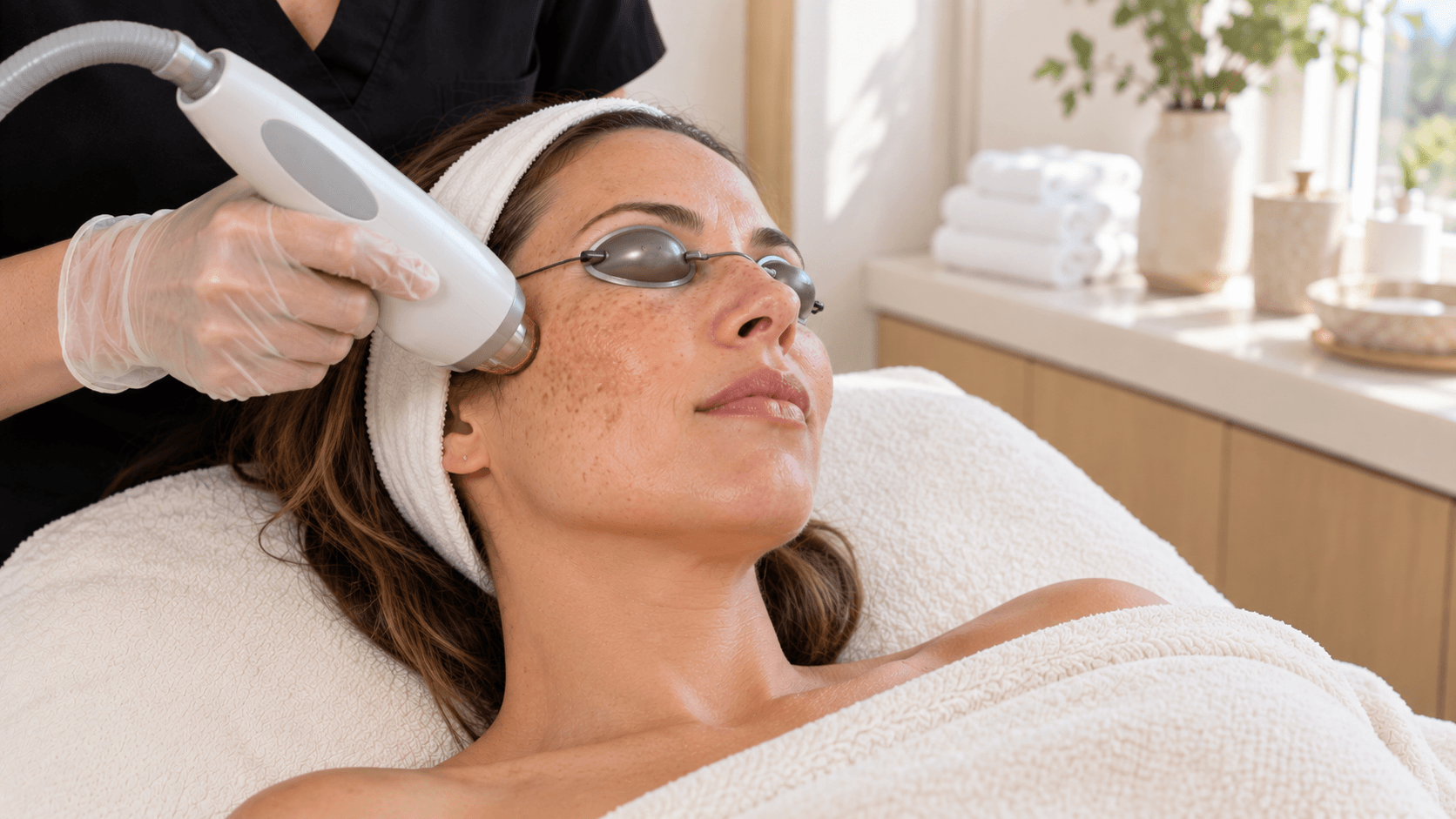
This is when friends and family might comment on your “glow.” Procedures like laser therapy or intense pulsed light (IPL) treatments often begin to show visible progress.
Month 2–3: Major Changes Take Hold
What to expect:
With ongoing care, you can see firmer, smoother skin and continued lightening of pigmentation.
- Wrinkles and fine lines may start to soften.
- Pores appear less noticeable.
- Skin feels more resilient and youthful.
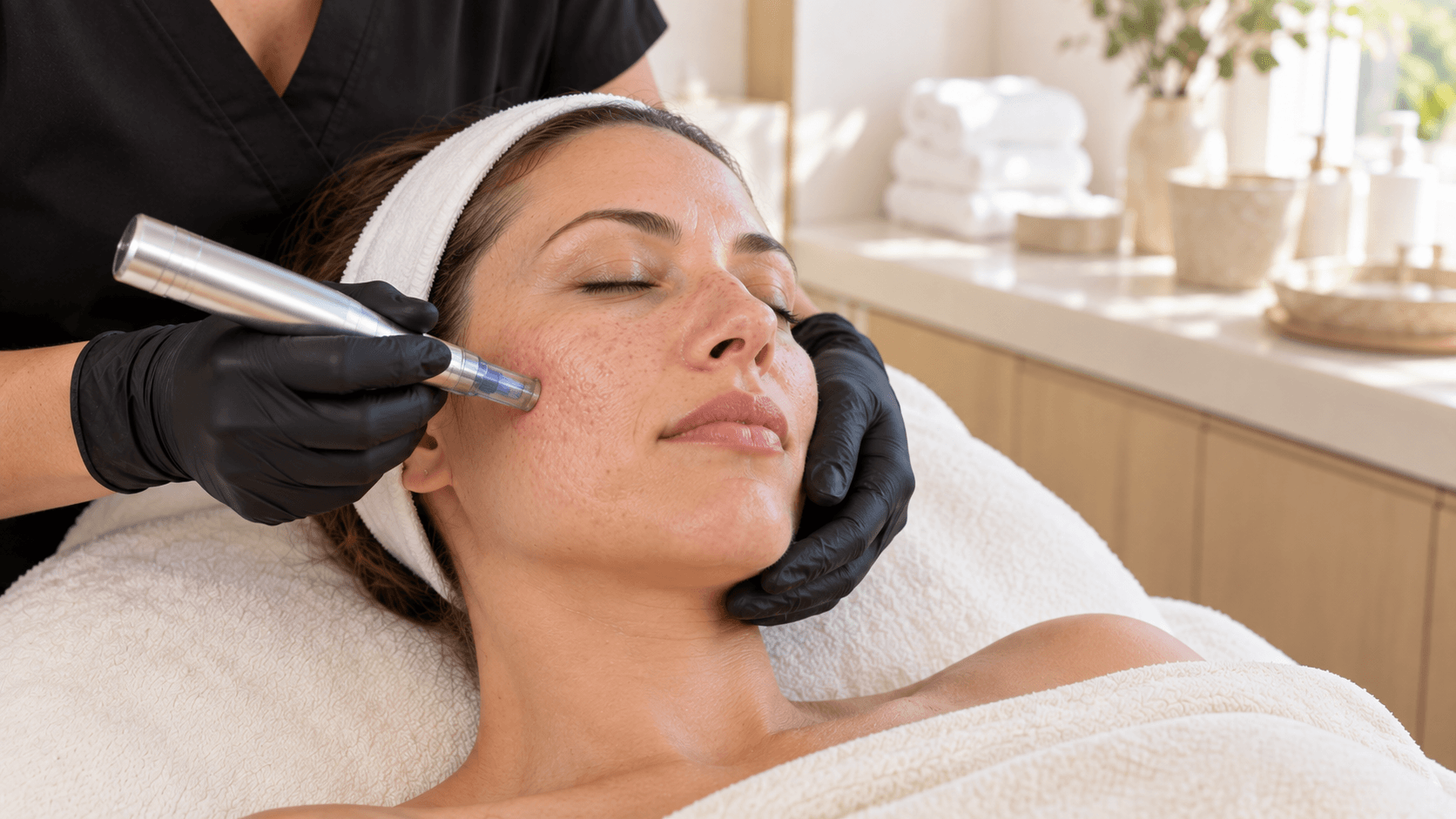
Combination treatments (such as microneedling with serums or advanced resurfacing lasers) can amplify these improvements.
Months 4–6: Peak Benefits
The new normal:
By this stage, collagen renewal and deeper repair processes are in full effect.
- Skin texture is significantly smoother.
- Brown spots are much lighter or gone.
- Fine lines and wrinkles are minimized.
- The complexion is more even, luminous, and healthy-looking.
Ongoing sun protection and a medical-grade skincare regimen help maintain your results and prevent further damage.
What Affects Your Results Timeline?
Severity of Sun Damage:
Decades of exposure may require a more intensive and longer-term plan than mild damage.
Treatment Choice:
- Topicals: Retinoids, antioxidants, and brightening agents work gradually but build strong results over time.
- In-Office Procedures: Chemical peels, microneedling, laser resurfacing, and IPL deliver faster, more dramatic outcomes.
- Lifestyle: Daily sunscreen, proper hydration, and avoidance of further UV exposure are non-negotiable for lasting success.
Consistency:
Missing treatments or skipping sunscreen can slow or undo progress.
Follow-Up:
Regular visits for professional evaluation and adjustments ensure your plan stays on track.
Side Effects and Adjustments
Mild redness, peeling, or sensitivity are common as your skin adapts to new treatments—especially with peels or retinoids. These effects are temporary and usually resolve within days or weeks. Open communication with your provider ensures quick management of any concerns and adjustment of your regimen if needed.
Realistic Expectations: What Most Patients Experience
- Early wins: Smoother, more hydrated skin and a fresher appearance within weeks.
- Steady gains: Fading of dark spots, firmer texture, and softened lines after one to two months.
- Long-term transformation: Youthful, even, resilient skin if treatments and sun protection are continued.
Remember, reversing sun damage is a gradual process—but with the right plan, significant improvement is within reach.
Key Takeaways
- Decades of sun damage can be improved, and even reversed, with today’s advanced skin care and procedures.
- Expect gradual but meaningful results, starting in the first weeks and peaking over several months.
- A personalized, multi-faceted approach—combining professional treatments with daily care—offers the best outcomes.
- Consistency and commitment to sun protection are the foundation for lasting, healthy skin.
FAQs
How soon will I see results from sun damage treatments?
Most patients notice subtle improvements within two weeks, with major changes after two to three months.
Can sun damage be fully reversed?
While some deep changes cannot be erased, most patients achieve dramatic improvement in tone, texture, and overall appearance with modern treatments.
What is the fastest way to reverse sun damage?
In-office treatments (lasers, peels, IPL) deliver the quickest, most noticeable results, especially when combined with professional skincare at home.
Is it too late to start reversing sun damage in your 50s or 60s?
It’s never too late. Mature skin can respond very well to a targeted treatment plan.
How can I prevent future sun damage?
Daily use of broad-spectrum sunscreen, protective clothing, and avoiding peak sun hours are essential—even on cloudy days.