It’s easy to blame genetics or the passage of time for lines, loss of elasticity, and dull skin. But emerging research highlights a different, often overlooked culprit: chronic inflammation. Known as “inflammaging,” this persistent, low-level inflammation quietly accelerates many of the visible signs of aging. If you want smoother, stronger, more resilient skin, understanding the role of inflammation—and how to calm it—can make a dramatic difference in your skin’s future.
Jump To:
TLDR – Quick Guide
- Inflammation speeds up skin aging by breaking down collagen and impairing repair mechanisms.
- Environmental factors, lifestyle choices, and skincare habits all play a role.
- The right treatments and routines can calm inflammation and help restore youthful skin.
- Consistency, prevention, and professional support are essential for the best long-term results.
Detailed Breakdown
How Inflammation Drives Skin Aging
Inflammation is your body’s built-in defense system. While short-term inflammation helps heal wounds, long-term or chronic inflammation has the opposite effect. In the skin, it gradually erodes the structural proteins (collagen and elastin) that keep your complexion firm and smooth. As these proteins break down more quickly than they are rebuilt, skin loses its bounce and becomes more vulnerable to wrinkles, sagging, and uneven texture.
“Inflammaging” is the term for this ongoing, low-level inflammation that accumulates with age. It’s now recognized as a central driver of premature skin aging.
What Causes Skin Inflammation?
- Sun Exposure: Ultraviolet rays are a leading cause of inflammation in skin aging. Even short periods of unprotected sun exposure set off inflammatory processes.
- Pollution & Toxins: Airborne pollutants and irritants disrupt the skin barrier, keeping the immune system on high alert.
- Diet & Lifestyle: Diets high in sugar and processed foods, poor sleep, and high stress all increase internal inflammation that can show up on your skin.
- Harsh Skincare Practices: Over-exfoliation, strong chemical treatments, and skipping moisturizer or sunscreen can compromise the skin barrier and trigger inflammation.
Visible Effects of Inflammation
- Faster breakdown of collagen and elastin, leading to fine lines and sagging.
- Delayed repair and regeneration, making damage more visible and persistent.
- Weakened barrier, which results in increased dryness, redness, and sensitivity.
- Increased risk of pigmentation changes and age spots.
How to Calm Inflammation and Support Youthful Skin
1. Choose Anti-Inflammatory Skincare
- Antioxidants: Use serums with vitamin C, green tea, or resveratrol to help neutralize inflammatory triggers.
- Barrier Repair: Select moisturizers containing ceramides, niacinamide, and peptides to restore and strengthen the skin’s natural defense.
- Sun Protection: Broad-spectrum SPF every day is non-negotiable for preventing inflammation from sun damage.
2. Opt for Professional Treatments
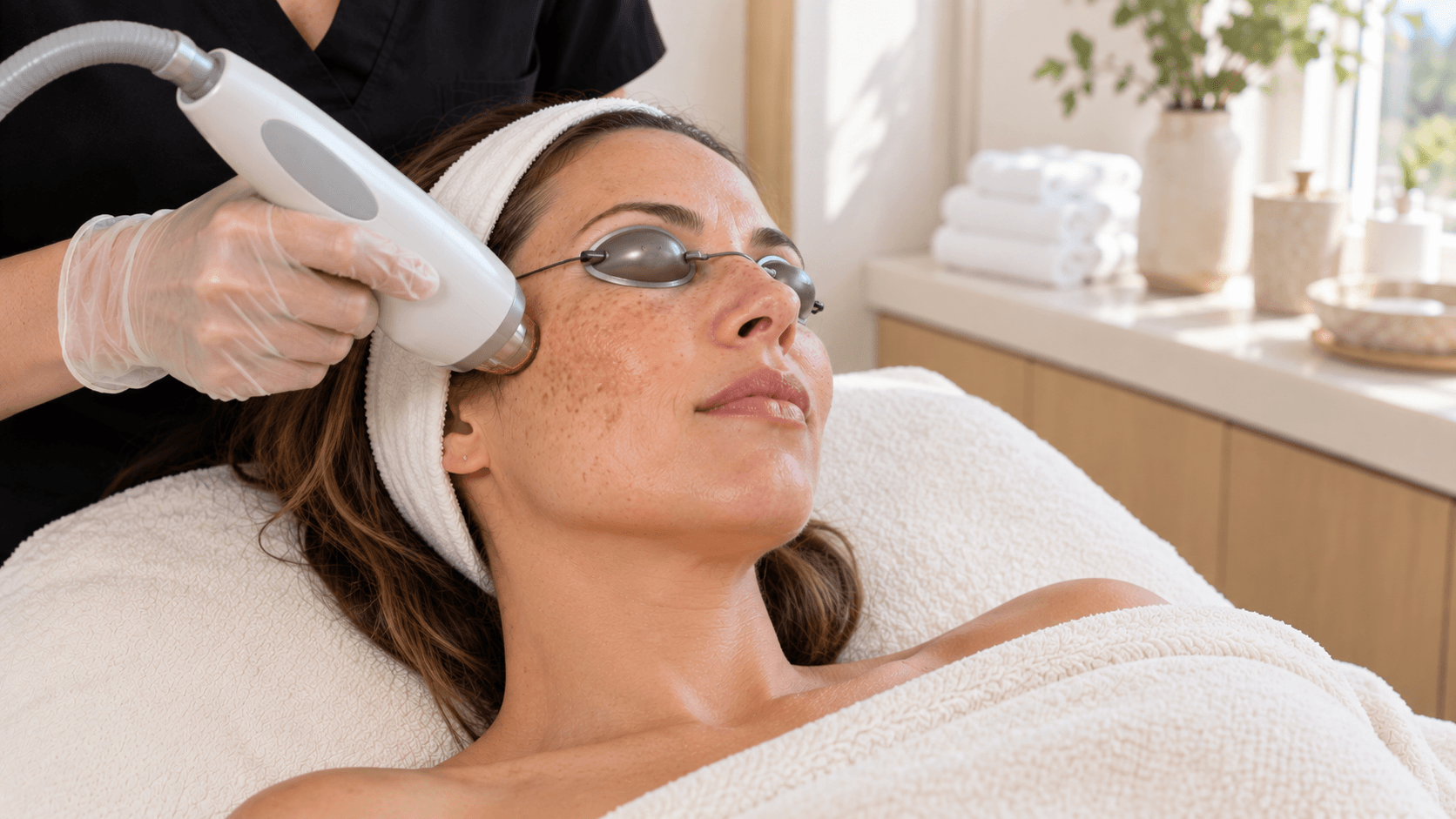
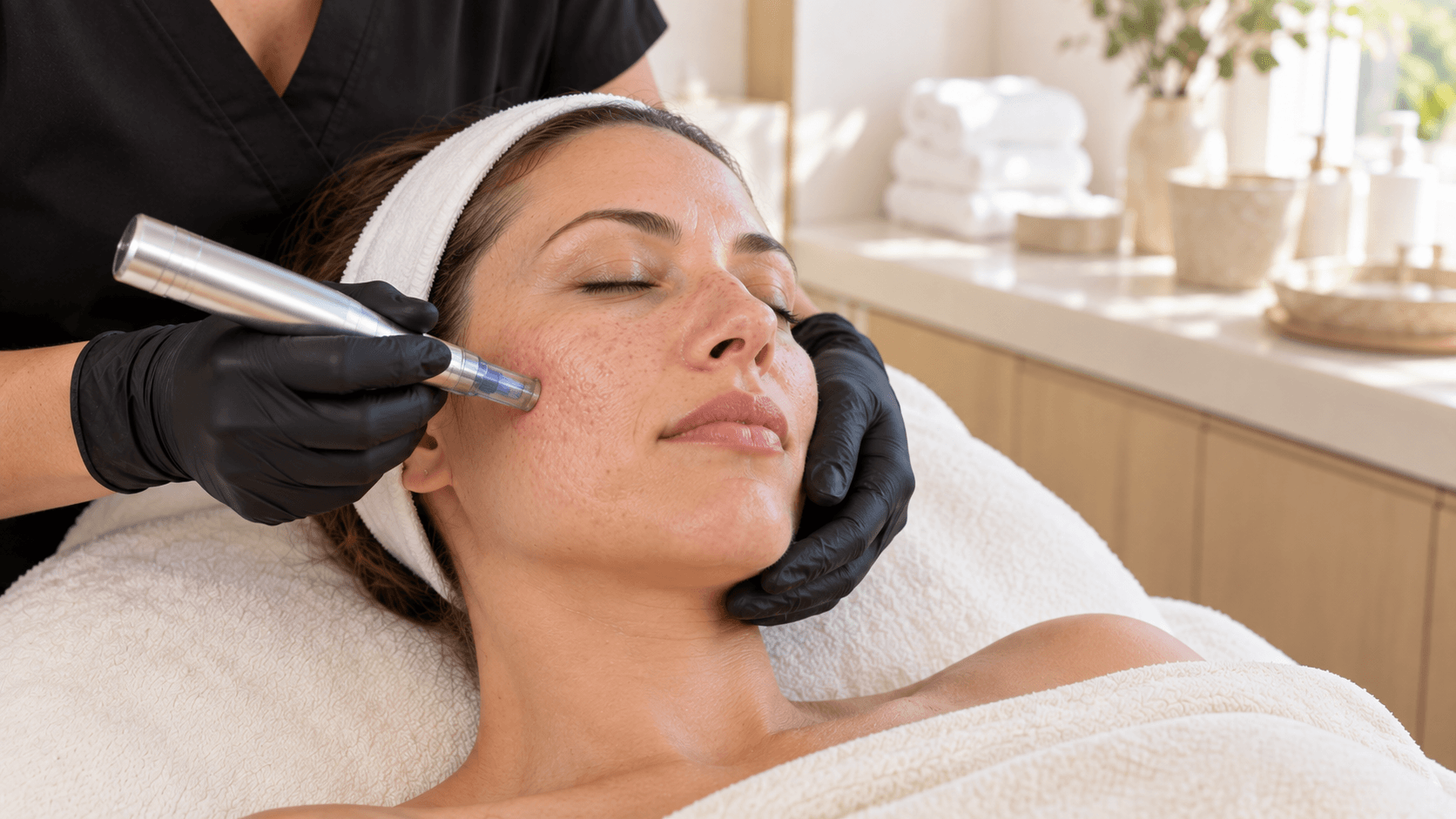
- Laser & Light Therapy: Target chronic redness, pigmentation, and collagen loss while supporting the skin’s healing response.
- Hydrating Facials: Professional treatments focused on hydration and barrier support can soothe sensitive, inflamed skin.
- Chemical Peels (if appropriate): Gentle peels can help remove damaged layers, promoting healthier, less inflamed skin beneath.
3. Make Smart Lifestyle Choices
- Eat an anti-inflammatory diet: Focus on fruits, vegetables, omega-3s, and whole foods.
- Prioritize stress reduction: Mindful practices, exercise, and adequate sleep all help lower inflammation in the body.
- Avoid common irritants: Limit alcohol, smoking, and aggressive home treatments.
4. Stay Consistent and Communicate with Experts
Improving skin inflammation isn’t a quick fix. Regular consultations, professional check-ins, and adjustments to your routine are key to seeing results and maintaining long-term skin health.
What Results Can You Expect?
As inflammation is managed, most patients notice:
- More even skin tone and a reduction in redness or blotchiness
- Smoother texture and fewer fine lines
- Improved resilience and comfort, with less sensitivity or dryness
- A healthier, more radiant overall appearance
Results are gradual, often becoming visible within several weeks, with optimal changes seen after several months of consistent care.
Key Takeaways
- Inflammation is a major, often overlooked cause of accelerated skin aging.
- Daily sun protection, a strong skin barrier, targeted professional treatments, and a healthy lifestyle can all help reverse and prevent inflammation in skin aging.
- Consistency, expert guidance, and regular review of your skincare plan offer the best path to long-term, youthful results.
FAQs
How can I tell if inflammation is causing my skin to age faster?
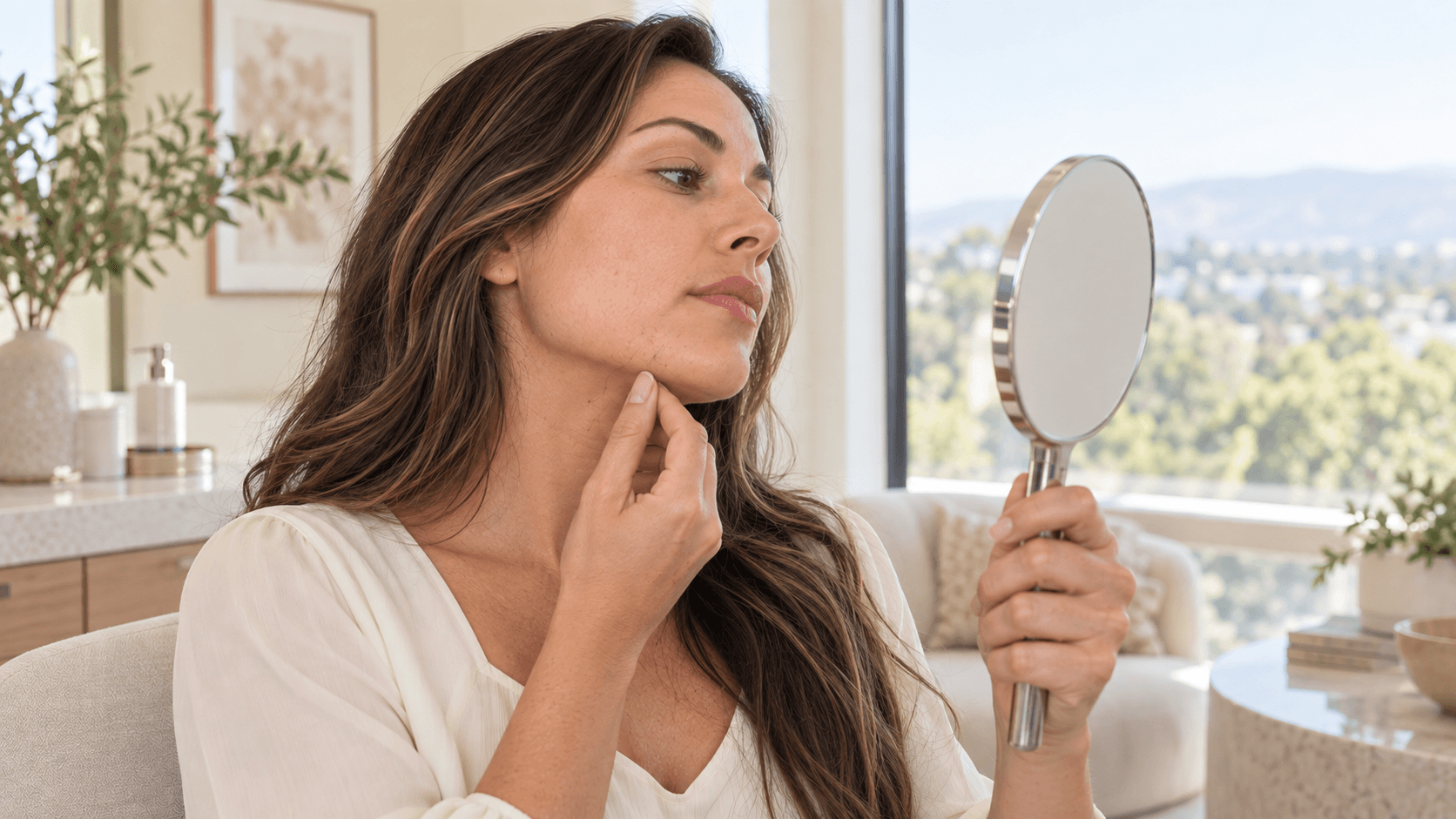
Look for signs like persistent redness, irritation, or an uptick in fine lines and uneven tone. If your skin is becoming more sensitive over time, inflammation could be the cause.
Can I undo the damage of inflammation?
While some effects are permanent, many visible signs of inflammation can be improved or reversed with a dedicated skincare routine and professional support.
What are the fastest ways to calm skin inflammation?
Protecting skin from the sun, using gentle products, and incorporating antioxidants are immediate steps you can take.
Is inflammation only caused by external factors?
No. Diet, stress, and sleep habits also play a significant role in skin inflammation and aging.
When will I see results?
You may notice improved comfort and reduced redness in a few weeks, with firmer, brighter skin building over two to three months of steady care.