Burning. Stinging. Dry patches that won’t quit. These are all telltale signs your skin’s barrier has been compromised—and it’s more common than you think. From over-exfoliation to harsh ingredients, your skin’s outermost layer takes the hit, and it doesn’t bounce back on its own.
That’s where skin barrier repair comes in. At advanced dermatology clinics like Skin Care Institute, this concept isn’t just a buzzword—it’s the foundation of every skincare plan. Here’s how experts identify a broken barrier, how they fix it, and what you can do to prevent long-term skin sensitivity.
Jump To:
TLDR – Quick Guide
- What is it? Repairing the outer layer of your skin (stratum corneum) to restore hydration, reduce inflammation, and prevent irritation.
- Why it matters? A damaged barrier can trigger chronic sensitivity, redness, acne, and flaking.
- What helps? Ceramides, peptides, and moisture-locking routines recommended by dermatologists.
- Where in Tulsa? Skin Care Institute provides both medical and aesthetic skin barrier recovery plans.
- Time to heal? With the right plan, noticeable improvement often begins in 1–2 weeks.
What Is the Skin Barrier?
Your skin barrier is the top layer of your skin—the one that protects you from pollutants, bacteria, allergens, and moisture loss. It’s made up of lipids (fats), proteins, and skin cells arranged like a brick wall. When this barrier is intact, your skin feels calm, hydrated, and resilient.
But once disrupted, it’s like holes forming in that wall. Suddenly, things like cleansers or serums that used to work perfectly now cause stinging, redness, or breakouts. Dermatologists focus first on repairing the barrier before tackling secondary concerns like acne, aging, or pigmentation.
Common Signs Your Skin Barrier Is Damaged
- Persistent dryness and flaking
- Redness or burning after applying skincare
- Increased breakouts or clogged pores
- Sensitivity to products that never used to cause irritation
- Tight, uncomfortable skin even after moisturizing
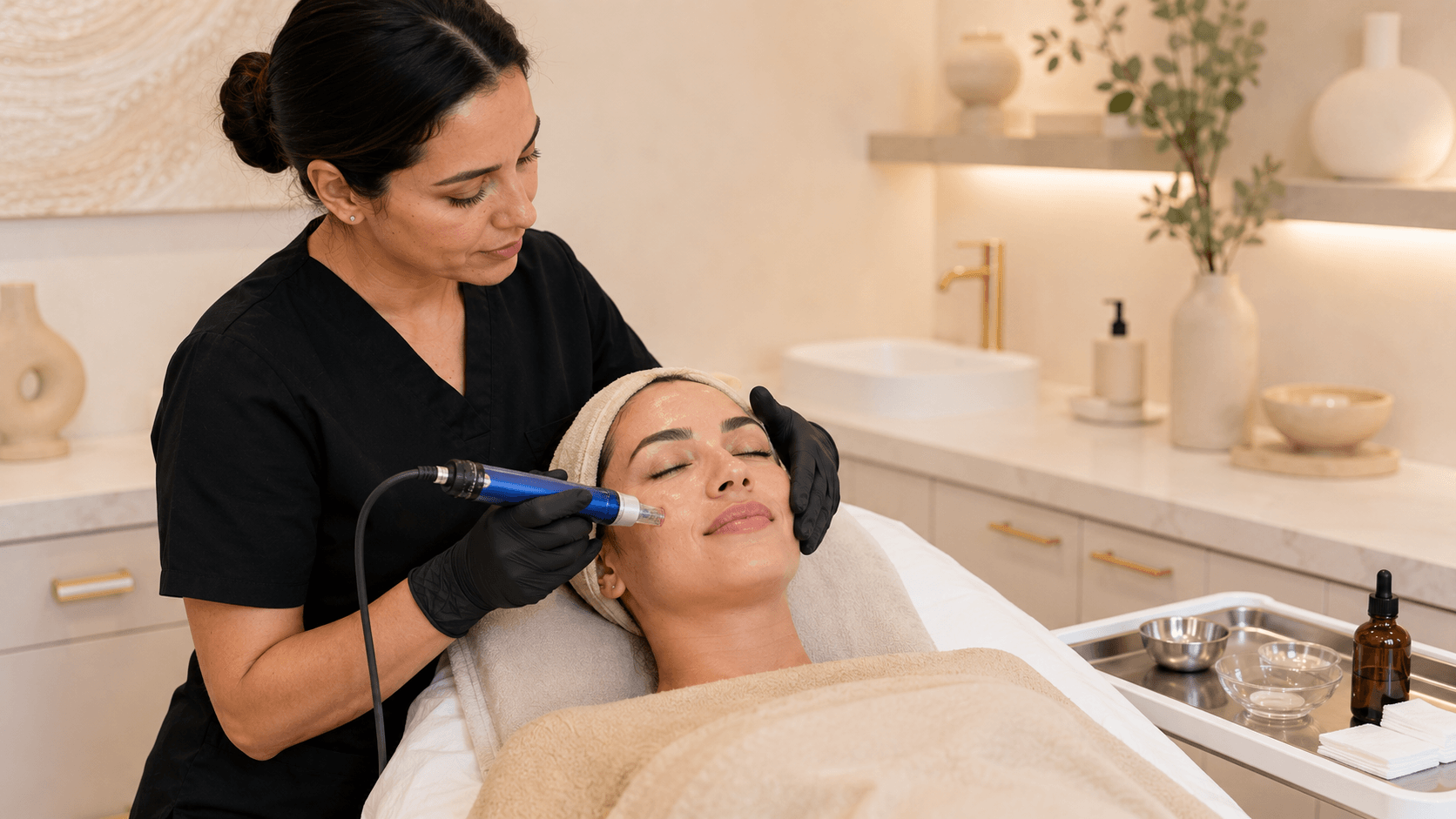
Many clients experience these symptoms after using too many actives (like retinol or AHAs) or post-procedures like chemical peels, microneedling, or laser.
How Dermatologists Repair the Skin Barrier
1. Simplify the Skincare Routine
Dermatologists immediately eliminate stripping cleansers, harsh exfoliants, and aggressive actives. A simplified routine with a gentle cleanser, hydrating serum, and ceramide-rich moisturizer is the starting point.
2. Add Barrier-Restoring Ingredients
Look for ingredients like:
- Ceramides – replenish natural lipids
- Niacinamide – reduces inflammation
- Hyaluronic acid – deeply hydrates
- Peptides – signal skin regeneration
These are often introduced through prescription or medical-grade products available in skin clinics.
3. Treat With In-Office Therapies
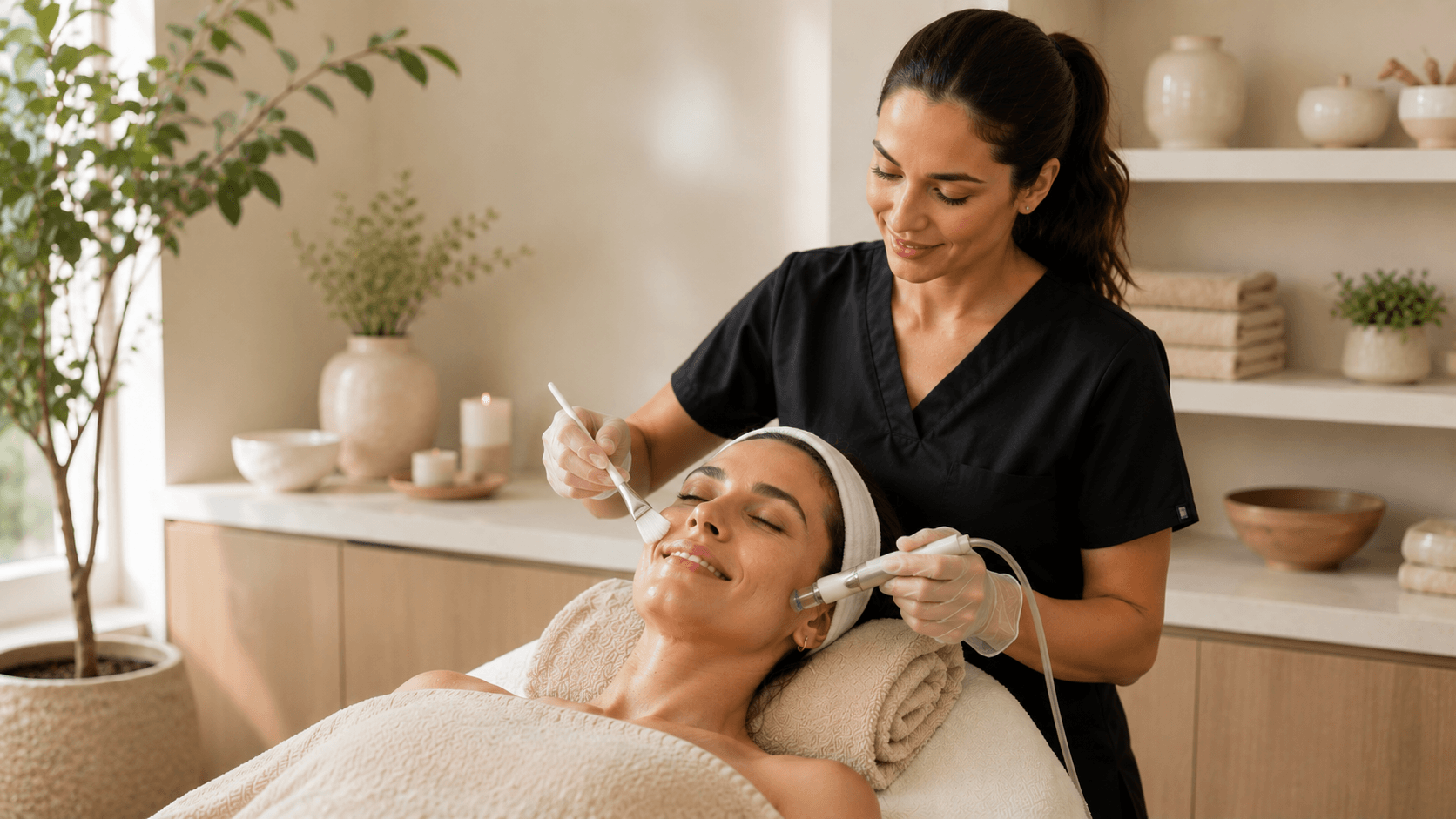
At clinics like Skin Care Institute, LED light therapy, hydration facials, or post-procedure skin boosters are used to calm inflammation and accelerate recovery.
Key Takeaways
- A damaged skin barrier leads to sensitivity, breakouts, and poor product absorption—but it’s 100% repairable with the right care.
- Dermatologists recommend cutting back on actives, using barrier-repairing ingredients, and introducing soothing in-office treatments like hydrating facials.
- Clinics like Skin Care Institute offer expert-led recovery plans that combine medical and aesthetic skincare.
- Long-term barrier health means stronger, calmer, and more resilient skin—especially if you use active ingredients or get regular treatments.
- If your skin suddenly feels out of control, the solution might be as simple as repairing its natural defenses.
FAQs
1. What causes a damaged skin barrier?
Common causes include overuse of exfoliants, harsh skincare products, UV damage, or excessive cleansing. Environmental stressors like cold weather or pollution can also weaken your barrier. Post-procedure skin is especially vulnerable if not properly cared for.
2. How long does it take to repair a skin barrier?
Most people see improvement within 1–2 weeks if they stop harmful products and follow a dermatologist-recommended routine. Severe damage may take up to 4–6 weeks. Healing faster requires gentle products and strict consistency.
3. Can a damaged barrier cause acne?
Yes—a weak barrier allows bacteria and irritants to penetrate more easily, which can trigger breakouts. It can also cause more redness and swelling in existing acne. Strengthening your barrier often reduces acne flare-ups.
4. Should I stop using retinol or exfoliants?
If your barrier is compromised, pause actives like retinol, AHAs, and vitamin C until skin recovers. Once healed, you can reintroduce them slowly with guidance. Your provider may suggest gentler alternatives in the meantime.
5. What’s the best product for skin barrier repair?
Look for moisturizers with ceramides, niacinamide, and fatty acids. Hydrating serums with hyaluronic acid also help. Avoid alcohol-based toners, strong exfoliants, and unbuffered acids during recovery.