LED masks are everywhere—from TikTok tutorials to your favorite celebrity skincare routines—but do they actually work? And more importantly, how do they stack up against what the pros use? Welcome to the world of LED therapy, where wavelengths of light can actually reduce inflammation, boost collagen, and clear up skin. But there’s a big difference between what you plug in at home and what you’ll experience in a professional clinic.
In this guide, we’re breaking down what LED therapy is, how it works, and why in-office treatments deliver faster, deeper, and longer-lasting results than their at-home counterparts. Whether you’re treating acne, aging, or dullness, understanding the difference could be the glow-up your skin has been waiting for.
Jump To:
TLDR – Quick Guide
- LED therapy uses light wavelengths (red, blue, near-infrared) to stimulate healing and collagen.
- At-home devices are good for maintenance, but professional LED machines are more powerful and customizable.
- In-office treatments often combine LED with clinical facials, microneedling, or peels for layered results.
- Medical providers use stronger, FDA-cleared devices—not just pretty masks with flashing lights.
- Clinics like Skin Care Institute offer results-driven LED treatments under expert supervision.
What Is LED Therapy, Really?
LED stands for Light Emitting Diode, a non-thermal light that penetrates the skin at specific wavelengths. Different colors target different concerns:
- Blue light: Kills acne-causing bacteria and calms inflammation.
- Red light: Stimulates collagen production, reduces fine lines, and speeds up healing.
- Near-infrared light: Reaches deeper layers to improve circulation and cellular regeneration.
The beauty of LED therapy lies in its non-invasive, zero-downtime nature. It gently works with your body’s biology to improve the skin from within.
At-Home Devices: Convenient, But Limited
We get it—at-home LED devices are affordable, accessible, and easy to use while binging Netflix. But convenience has its trade-offs:
1. Lower Intensity
Most consumer-grade LED masks operate at lower energy levels, which means slower, less dramatic results. You may need months of daily use to see improvements.
2. Limited Wavelengths
Many at-home models only offer red or blue light—professional machines often combine multiple spectrums in a single session for multi-layered skin support.
3. One-Size-Fits-All Settings
Consumer devices don’t adapt to your skin type, tone, or concern. In-office systems allow providers to adjust intensity, pulse settings, and treatment length based on your goals.
Why In-Office LED Therapy Is Superior
1. Clinical-Grade Equipment
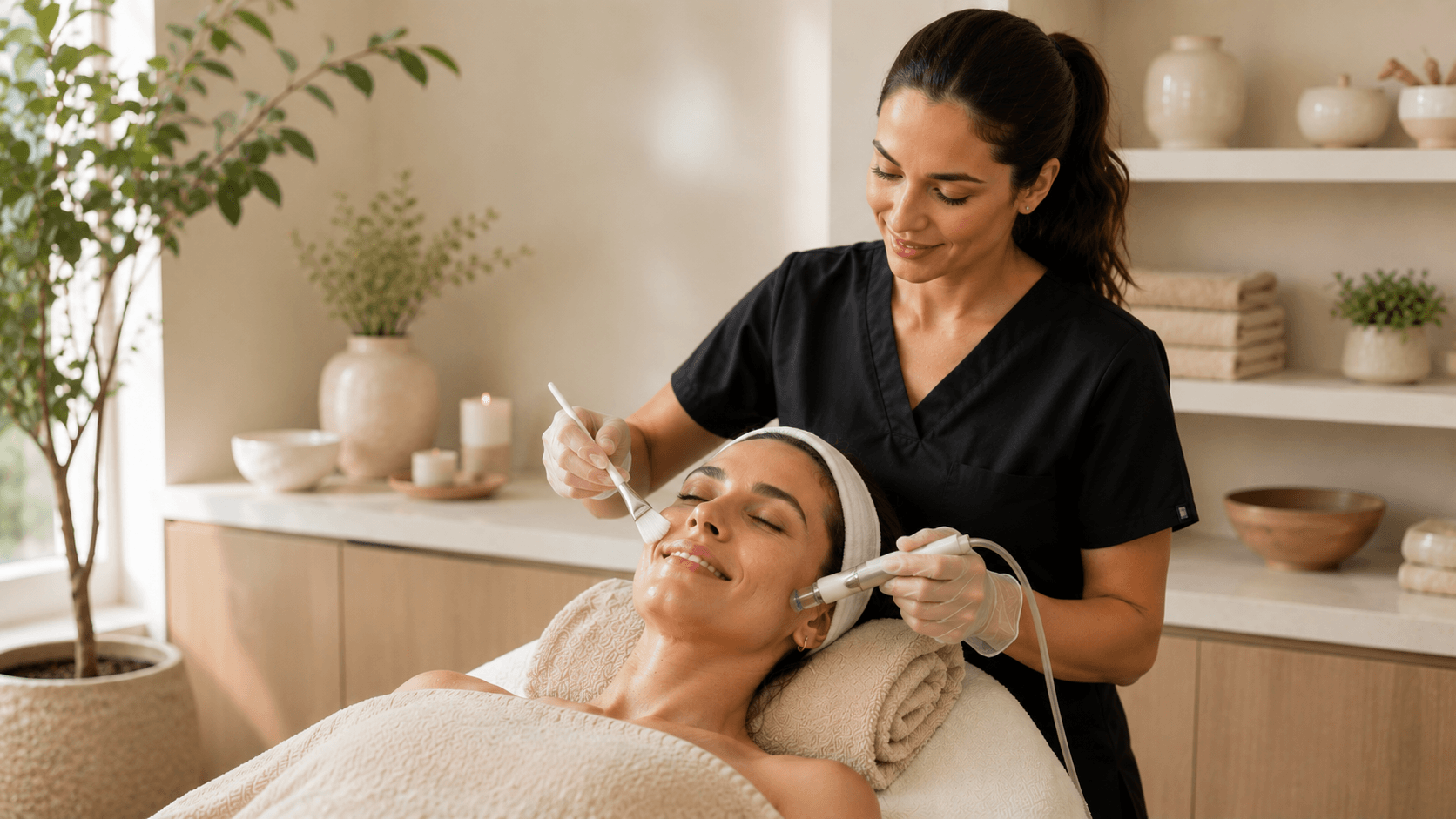
Medical aesthetic clinics use FDA-cleared, high-output devices like Celluma, Omnilux, or LightStim PRO. These systems deliver stronger light energy in shorter sessions, reducing treatment time while boosting efficacy.
2. Professional Pairings
LED therapy in a med spa isn’t a standalone solution—it’s often paired with:
- Chemical peels to reduce post-peel redness
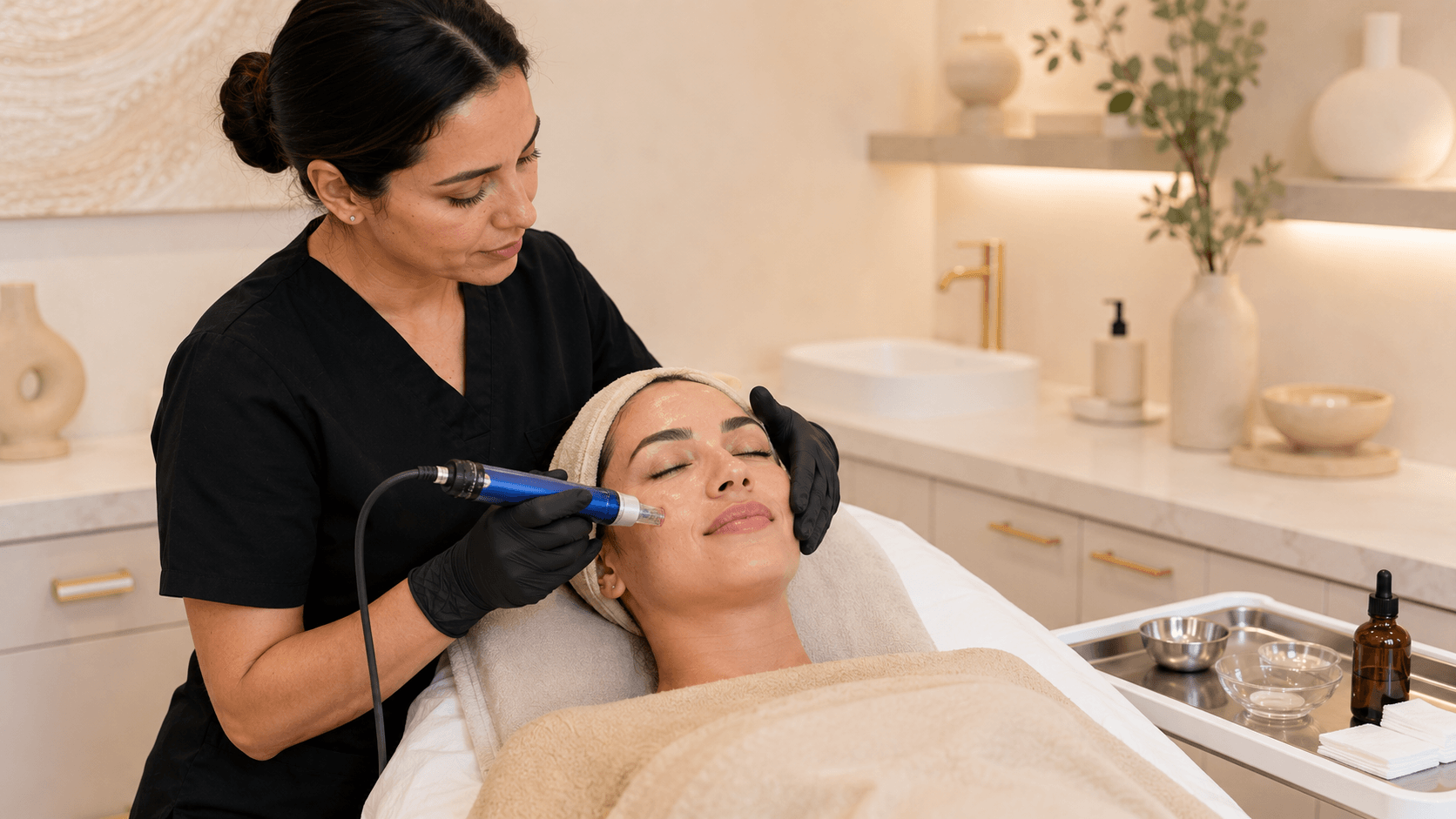
- Microneedling to speed up healing and collagen formation
- Hydrafacials to calm the skin after deep cleansing
Combining LED with other medical-grade services results in layered improvements that simply aren’t possible at home.
3. Precision Treatment Plans
With in-office care, you’re not guessing. Your provider evaluates your skin and designs a protocol using the exact wavelength and timing needed. This personalization leads to faster, more visible outcomes.
What Can LED Therapy Treat?
LED therapy is incredibly versatile. It’s effective for a wide range of skin concerns:
- Acne and breakouts
- Fine lines and early signs of aging
- Post-procedure healing (like after lasers or peels)
- Redness, rosacea, and inflammation
- Dullness and uneven texture
Sessions are typically 15–30 minutes and require zero recovery time. For best results, professionals may recommend a series of 6–8 treatments followed by monthly maintenance.
The Value of Medical Supervision
Even though LED therapy is non-invasive, professional oversight ensures safety and efficacy. A trained aesthetic provider can prevent overuse, identify contraindications (like photosensitivity), and optimize your skin’s response with post-care tips.
They’ll also help you set realistic expectations—because while LED therapy works, it’s not an overnight miracle. Consistency and professional guidance are key.
Key Takeaways
- LED therapy is a powerful skin-healing tool—but not all devices are created equal.
- At-home tools are great for light maintenance, but in-office treatments deliver faster, stronger results.
- Clinics use advanced equipment and custom protocols based on your unique skin needs.
- LED can be paired with other treatments to maximize results and reduce recovery.
- Trust experienced clinics like Skin Care Institute for LED therapy that actually transforms your skin.
FAQs
1. Is LED therapy safe for all skin types?
Yes! It’s one of the safest treatments available, with no heat, pain, or downtime. Providers can also adjust wavelengths for different skin tones and conditions.
2. How often should I get LED therapy?
For optimal results, most professionals recommend 1–2 sessions per week for 4–6 weeks, followed by monthly maintenance.
3. Can I use my at-home LED mask in between professional treatments?
Absolutely. Home devices can help maintain results between in-office sessions but won’t replace clinical strength.
4. How soon will I see results?
Some people notice improved glow and tone after a few sessions, but collagen stimulation and acne reduction usually take 3–6 weeks to become visible.
5. Are professional LED treatments worth the cost?
Yes—especially when combined with other treatments or used for serious skin concerns. They deliver more noticeable, long-term improvements.