You were trying to improve your skin.
Maybe you added a stronger retinol. Maybe you layered glycolic acid with salicylic acid. Maybe you tried an at-home peel that promised “glass skin.”
At first, your skin looked smoother. Then suddenly it felt:
- Tight
- Shiny
- Irritated
- Breakout-prone
- Textured in a way it wasn’t before
And now your pores look larger than ever.
If you’re searching for how to shrink pores after skin damage, you’re not alone. Over-exfoliation and aggressive treatments can temporarily (and sometimes structurally) exaggerate pore appearance.
The good news? In most cases, pores don’t actually “grow.” But the surrounding skin becomes inflamed, dehydrated, and structurally weakened—making them look bigger.
Let’s walk through what’s happening and how to properly repair your skin.
Jump To:
- Why Pores Look Larger After Skin Damage
- Step 1: Immediately Stop All Active Ingredients
- Step 2: Rebuild the Skin Barrier
- Step 3: Calm Inflammation
- Step 4: Restore Collagen Support
- How Long Does Recovery Take?
- Signs You’re Healing Properly
- When Pores May Be Structurally Enlarged
- What Not to Do During Recovery
- Prevention Moving Forward
- Key Takeaways
- FAQs
TLDR – Quick Guide
- Over-exfoliation damages your skin barrier and increases inflammation.
- Inflamed, dehydrated skin makes pores appear larger.
- The first step is stopping all active ingredients.
- Barrier repair and collagen support are essential.
- Persistent texture issues may require professional evaluation.
Why Pores Look Larger After Skin Damage
Before we dive into how to shrink pores after skin damage, it’s important to understand the biology.
Pores are structural openings around hair follicles and oil glands. They don’t open and close like doors. Their size is influenced by:
- Collagen support around the follicle
- Oil production
- Skin thickness
- Inflammation levels
When you over-exfoliate, several things happen at once:
1. The Skin Barrier Becomes Compromised
Your outermost layer (stratum corneum) acts as protection. When it’s stripped:
- Moisture escapes
- Irritation increases
- Sensitivity rises
- Micro-inflammation develops
Inflamed skin swells slightly, stretching the appearance of pore openings.
2. Oil Production Becomes Unbalanced
Ironically, over-drying the skin can trigger more oil production.
Your skin senses dehydration and responds by:
- Increasing sebum output
- Creating shine
- Congesting pores
More oil pooled in pores makes them appear larger and darker.
3. Collagen Support Weakens Temporarily
Aggressive treatments can disrupt collagen integrity if overused.
Collagen surrounds pores like scaffolding. When weakened:
- Pore openings lose structural support
- Texture appears uneven
- Skin looks rough or thin
Understanding this structural component is key to mastering how to shrink pores after skin damage.
Step 1: Immediately Stop All Active Ingredients
The biggest mistake people make? Trying to fix damaged skin with more exfoliation.
Pause the following immediately:
- Retinoids
- AHAs (glycolic, lactic)
- BHAs (salicylic acid)
- Physical scrubs
- At-home chemical peels
- High-strength vitamin C
- Alcohol-based toners
Your skin needs calm—not correction.
Give it a minimum of 2–4 weeks without active stimulation.
Step 2: Rebuild the Skin Barrier
Barrier repair is the foundation of learning how to shrink pores after skin damage.
When the barrier heals:
- Inflammation decreases
- Oil production stabilizes
- Texture improves
- Pores appear tighter
Focus on ingredients like:
- Ceramides (restore lipid barrier)
- Hyaluronic acid (rehydrates)
- Niacinamide (regulates oil + calms inflammation)
- Panthenol
- Glycerin
Your routine should be extremely simple:
- Gentle, non-foaming cleanser
- Barrier-repair moisturizer
- Broad-spectrum SPF daily
That’s it.
No layering. No experimenting.
Step 3: Calm Inflammation
Inflammation is one of the biggest drivers of enlarged-looking pores.
To reduce it:
- Avoid hot showers
- Skip facial steaming
- Avoid fragranced skincare
- Minimize sun exposure
- Apply sunscreen daily
UV exposure after barrier damage worsens inflammation and delays recovery.
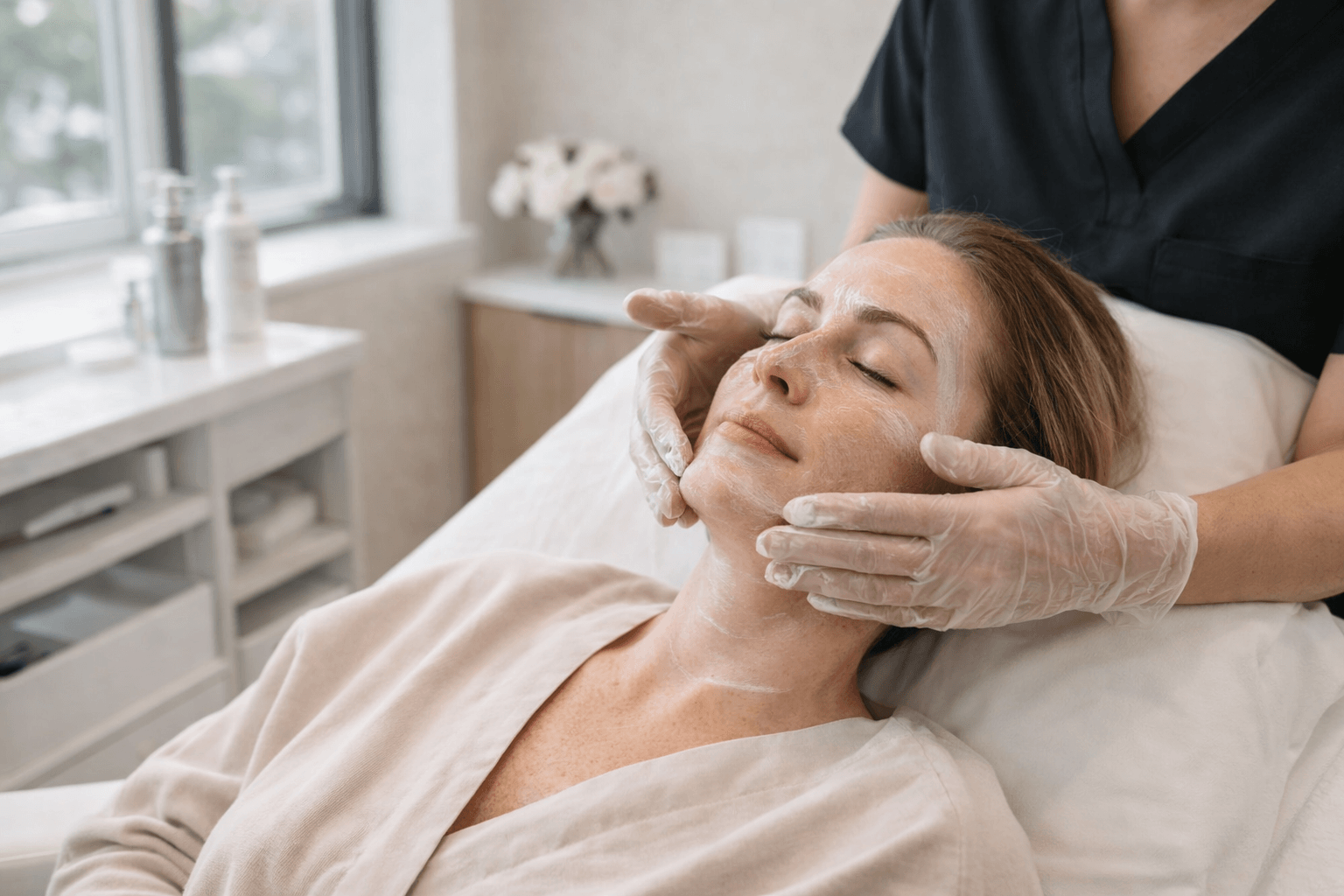
If redness or irritation persists beyond several weeks, a professional skin evaluation—like those offered at Skin Care Institute in Tulsa—can determine whether deeper treatment is necessary.
Step 4: Restore Collagen Support
Once the barrier is stable (usually after 3–6 weeks), you can begin rebuilding collagen carefully.
Collagen provides the structural tightness around pores.
Options may include:
Gradual Reintroduction of Retinoids
- Start low strength
- Use 1–2 times weekly
- Increase slowly
Retinoids support long-term collagen integrity when used properly.
Professional Microneedling
Microneedling stimulates collagen around pore walls, improving structure without stripping the surface barrier.
Fractional Laser Treatments
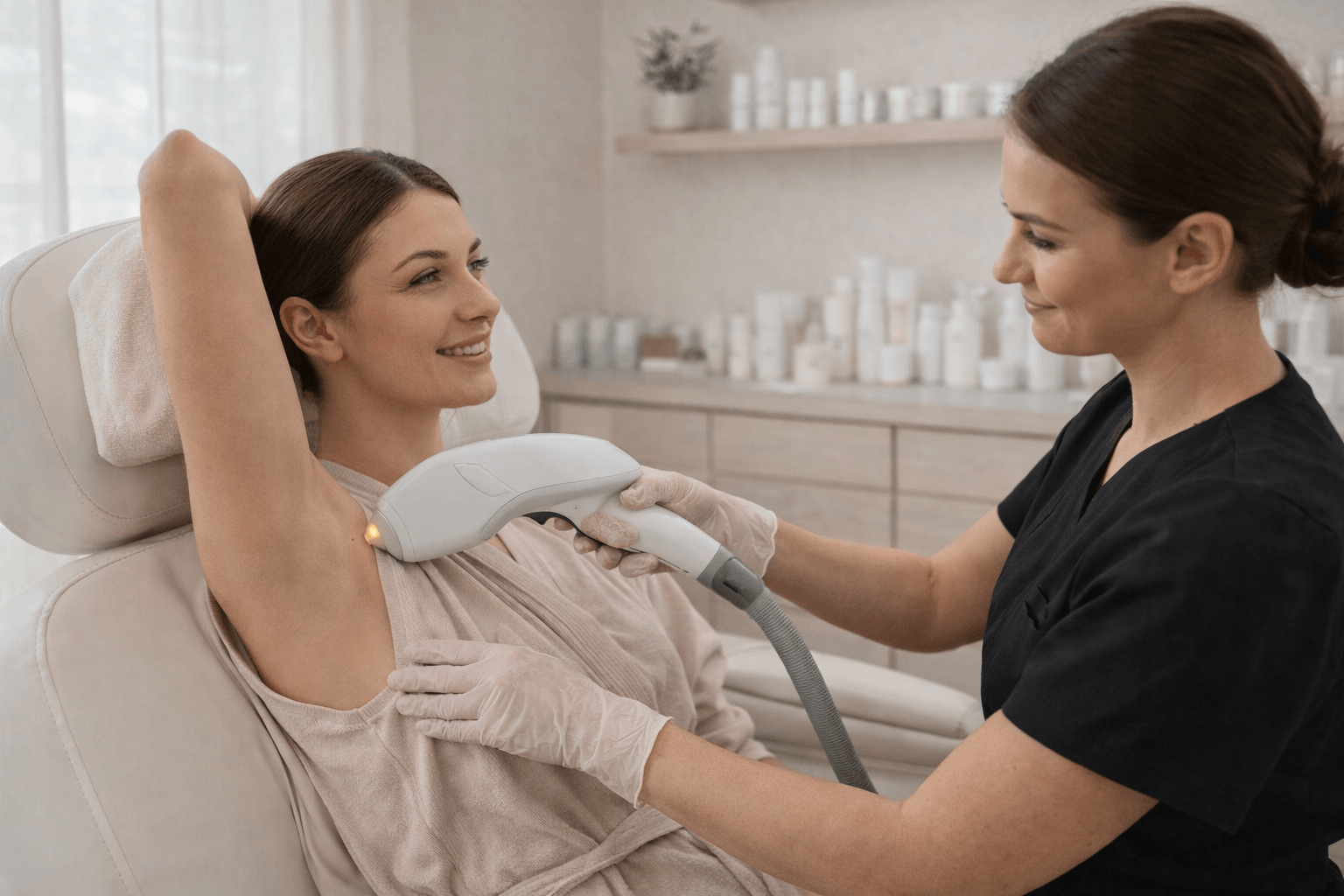
For persistent textural irregularities, laser resurfacing stimulates deeper collagen remodeling.
Advanced corrective options are available through comprehensive aesthetic and laser services, where treatments are customized based on damage severity.
This stage is about strengthening—not resurfacing aggressively again.
How Long Does Recovery Take?
Recovery timeline depends on damage severity.
Mild Over-Exfoliation
- 2–4 weeks for barrier repair
- 6–8 weeks for visible pore refinement
Moderate to Severe Damage
- 4–8 weeks for inflammation to normalize
- 3–6 months for collagen support to improve
Consistency matters more than speed.
Signs You’re Healing Properly
As skin recovers, you may notice:
- Less redness
- Reduced shine
- Fewer random breakouts
- Softer texture
- Pores appearing less pronounced
Improvement is gradual—not overnight.
When Pores May Be Structurally Enlarged
If aggressive treatments were repeated for months or years, collagen loss may be more significant.
In these cases:
- At-home skincare alone may not fully reverse changes
- Professional collagen-induction treatments may be necessary
The goal becomes rebuilding the skin’s architecture—not just calming inflammation.
What Not to Do During Recovery
Avoid these common mistakes:
- Using pore strips
- Adding exfoliating toners
- Doubling up on retinol
- Using clay masks daily
- Picking at texture
Over-correction prolongs damage.
Remember: healthy skin is balanced skin.
Prevention Moving Forward
Once healed, maintain balance:
- Limit exfoliation to 1–3 times per week
- Avoid stacking strong acids
- Monitor signs of irritation
- Prioritize sunscreen daily
- Rotate active ingredients thoughtfully
Skin thrives on consistency—not intensity.
Key Takeaways
- Over-exfoliation inflames skin and exaggerates pore appearance.
- The first step in how to shrink pores after skin damage is stopping actives.
- Barrier repair and inflammation control are critical.
- Collagen rebuilding restores structural tightness.
- Professional treatments may be needed for persistent texture concerns.
Your pores didn’t suddenly grow. Your skin is asking for repair.
Give it time—and the right support—and it will respond.
FAQs
Can over-exfoliation permanently enlarge pores?
Mild damage is usually temporary. However, repeated aggressive treatments can weaken collagen and cause structural enlargement. Professional evaluation may be necessary for long-term concerns.
How long does it take for skin barrier damage to heal?
Most mild barrier damage heals within two to four weeks. More severe cases may take longer. Consistent gentle care speeds recovery.
Should I exfoliate again to fix texture?
No. Adding more exfoliation worsens inflammation. Focus on repair before reintroducing any active ingredients.
Does moisturizer actually help shrink pores?
Moisturizer restores barrier function and reduces inflammation. While it doesn’t physically shrink pores, healthier skin makes pores appear smaller.
When should I seek professional help?
If redness, breakouts, or enlarged pores persist beyond several weeks, consult a professional. Structural damage may require collagen-stimulating treatments.