If you have sensitive skin, the idea of getting an anti aging facial for sensitive skin can feel risky.
You want smoother, healthier, more youthful skin—but not at the cost of redness, irritation, or breakouts.
Here’s the good news:
When done correctly, anti-aging facials don’t damage sensitive skin—they actually strengthen it.
At Skin Care Institute, treatments are carefully adjusted to deliver results without triggering irritation, using the right techniques, products, and technology for your skin type.
Let’s break down exactly how that works—and what you should expect.
Jump to:
TLDR – Quick Guide
- Anti-aging facials can be customized for sensitive skin
- Gentle exfoliation replaces aggressive treatments
- Hydration and barrier repair are prioritized
- Advanced treatments are adjusted for lower intensity
- Professional customization is key for safe results
Why Sensitive Skin Needs a Different Approach
Sensitive skin reacts more easily to:
- Strong ingredients
- Heat and friction
- Over-exfoliation
That means a standard facial approach can do more harm than good.
Instead, an anti aging facial for sensitive skin focuses on:
- Calming inflammation
- Strengthening the skin barrier
- Delivering results gradually
How Anti-Aging Facials Are Adjusted for Sensitive Skin
Gentle Exfoliation Instead of Aggressive Treatments
Exfoliation is still important—but it must be controlled.
Instead of harsh scrubs or strong acids, providers use:
- Mild enzyme exfoliation
- Light resurfacing techniques
- Shorter treatment times
Treatments like dermaplaning can be used carefully to remove dead skin without irritating sensitive areas when performed professionally.
Hydration Becomes the Priority
Sensitive skin often has a weakened barrier, which leads to dryness and irritation.
That’s why hydration is a major focus.
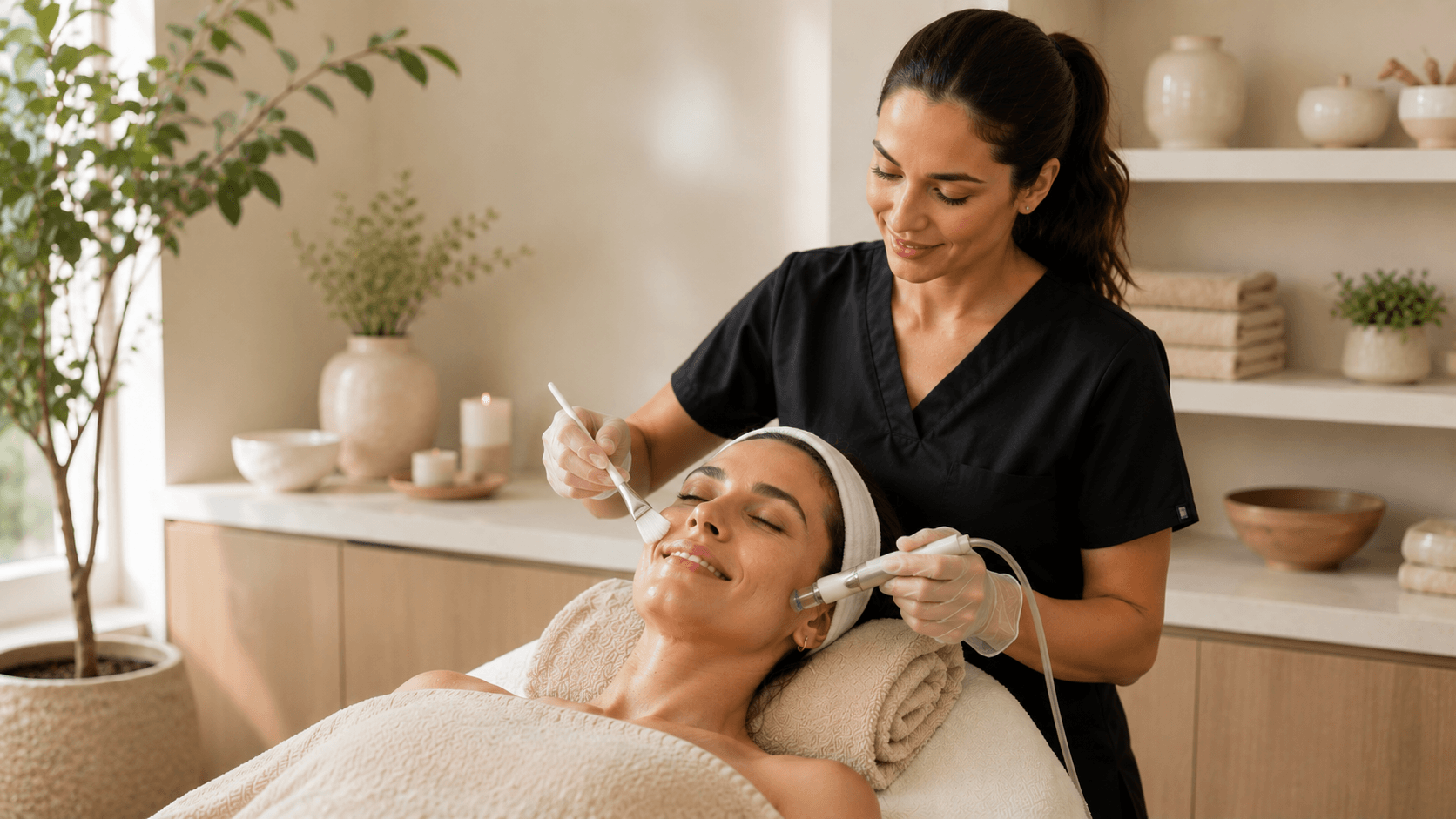
Treatments like HydraFacial MD Elite are designed to:
- Deeply hydrate the skin
- Infuse nourishing serums
- Improve skin without irritation
This helps restore balance while still delivering anti-aging benefits.
Advanced Treatments with Adjusted Intensity
Sensitive skin doesn’t mean you have to skip advanced treatments—it just means they need to be adjusted.
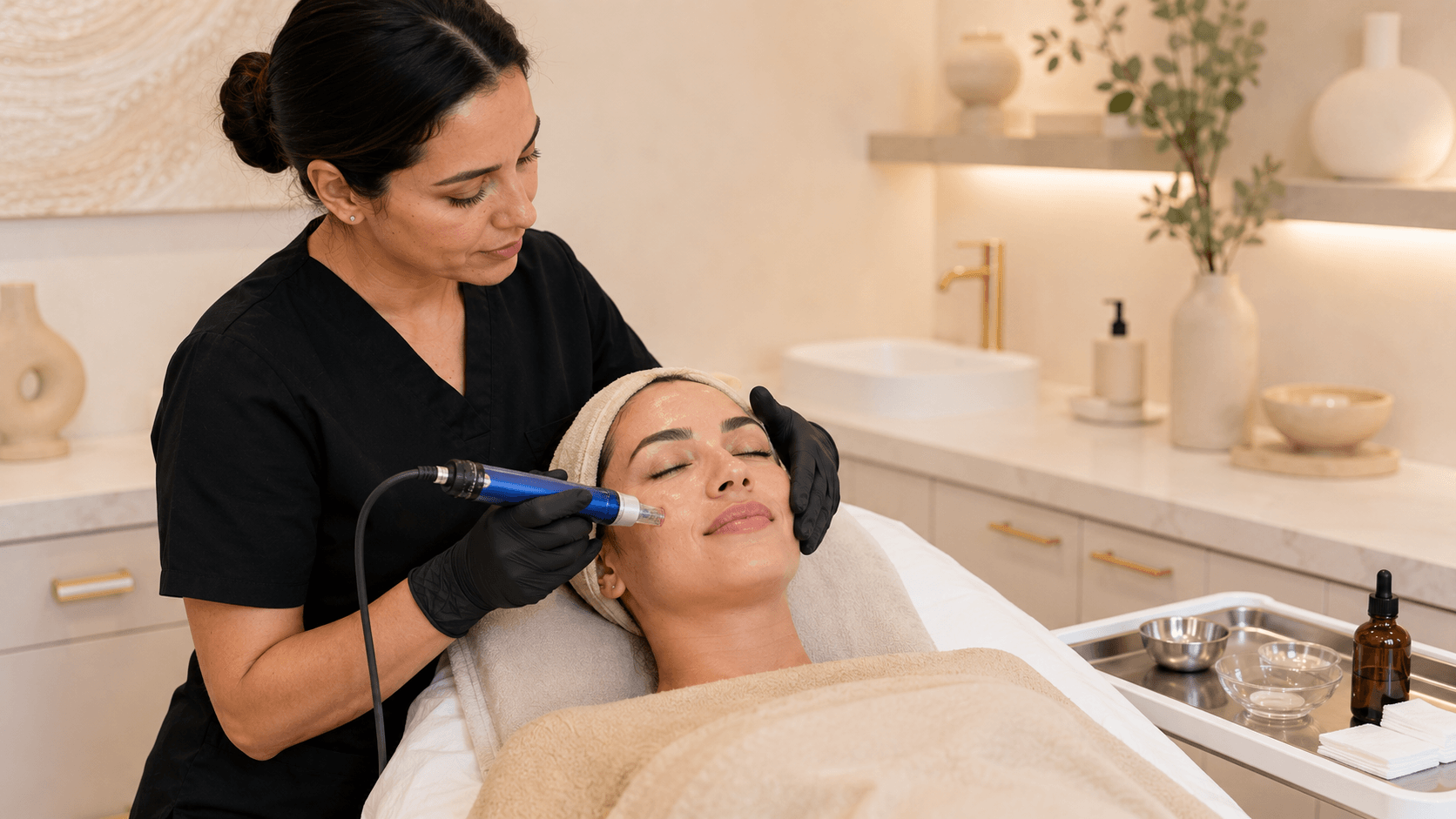
For example, treatments like Diamond Glow Platinum can be customized to:
- Use gentler settings
- Focus on hydration over intensity
- Avoid overstimulation
This allows you to get results without compromising your skin.
Reduced Heat and Stimulation
Too much heat or stimulation can trigger redness and sensitivity.
Adjustments may include:
- Minimal steam
- Gentle massage techniques
- Avoiding aggressive tools
The goal is to support the skin—not stress it.
What Results Can You Expect?
When properly customized, an anti aging facial for sensitive skin delivers noticeable improvements without irritation.
You’ll notice:
- Smoother texture
- Improved hydration
- Reduced redness over time
- Healthier, more balanced skin
Results are gradual—but more sustainable.
Why Professional Customization Matters
Sensitive skin is not one-size-fits-all.
What works for one person may not work for another.
That’s why working with experienced providers like Skin Care Institute makes a difference.
A professional approach ensures:
- The right treatments are selected
- Intensity is properly adjusted
- Your skin is supported—not overtreated
Common Mistakes to Avoid
Many people with sensitive skin make these mistakes:
- Over-exfoliating
- Using too many active ingredients
- Trying aggressive treatments too soon
- Skipping professional guidance
A controlled, customized approach always delivers better results.
Key Takeaways
- Anti-aging facials can be safe and effective for sensitive skin
- Gentle techniques replace aggressive treatments
- Hydration and barrier repair are essential
- Advanced treatments must be customized
- Professional care ensures better, safer results
FAQs
1. Can sensitive skin handle anti-aging facials?
Yes, sensitive skin can benefit from anti-aging facials when properly customized. Gentle techniques and products are used to avoid irritation. Professional treatments ensure safe results.
2. What type of facial is best for sensitive skin?
Hydrating and gentle treatments work best for sensitive skin. Options that avoid harsh exfoliation are ideal. Customization is key to choosing the right facial.
3. Is dermaplaning safe for sensitive skin?
Yes, dermaplaning can be safe when performed by a professional. It removes dead skin gently without harsh chemicals. Proper technique is important to avoid irritation.
4. How often should I get a facial with sensitive skin?
Most people benefit from facials every 4 to 6 weeks. This allows the skin to recover and improve gradually. Your provider may adjust frequency based on your skin.
5. Will facials make my sensitive skin worse?
When done incorrectly, they can cause irritation. However, properly customized facials are designed to improve skin health. Choosing an experienced provider makes all the difference.