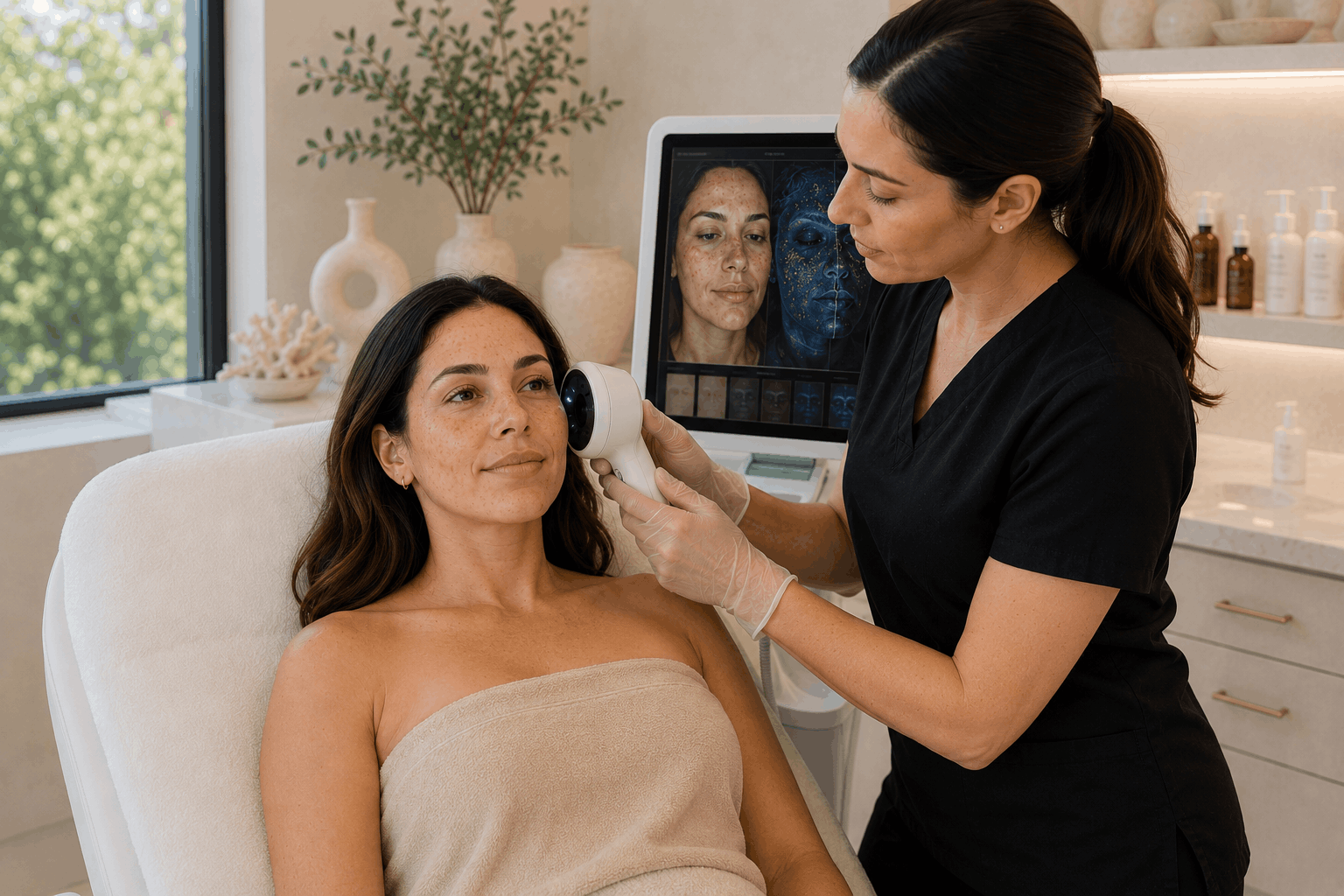
Melasma is one of the most challenging skin conditions to treat successfully. Characterized by brown, gray-brown, or patchy discoloration that commonly appears on the cheeks, forehead, upper lip, and chin, melasma affects millions of people and can significantly impact confidence and quality of life. While many patients seek treatment hoping for a permanent solution, they are often disappointed when pigmentation returns after initial improvement.
The reality is that melasma behaves differently than many other pigmentation concerns. It is influenced by a complex combination of hormones, sun exposure, genetics, inflammation, and skin biology. As a result, even effective treatments may not deliver lasting results if the underlying triggers are not properly addressed.
At Skin Care Institute, patients frequently ask why melasma treatments fail and what they can do to maintain clearer, more even-toned skin for the long term. Understanding the reasons behind treatment failure is often the first step toward achieving more successful and sustainable results.
Jump To:
- TLDR Guide
- Detailed Breakdown
- What Makes Melasma So Difficult to Treat?
- Why Do Melasma Treatments Fail?
- The Difference Between Melasma and Hyperpigmentation
- How Clear + Brilliant Can Support Long-Term Improvement
- Can Lumecca IPL Help With Melasma?
- The Role of Chemical Peels in Melasma Management
- How to Achieve Longer-Lasting Results
- Why Professional Guidance Matters
- Key Takeaways
- FAQs
TLDR Guide
Many people wonder why melasma treatments fail, especially when they initially see improvement. In most cases, treatment failure occurs because melasma is a chronic condition that requires ongoing management rather than a one-time solution.
Key factors that contribute to treatment failure include:
- Inadequate sun protection
- Hormonal influences
- Using the wrong treatment approach
- Stopping treatment too soon
- Inflammation triggering pigment production
- Lack of maintenance treatments
Longer-lasting success often comes from combining professional treatments, daily sun protection, and a customized skincare strategy designed specifically for melasma-prone skin.
Detailed Breakdown
What Makes Melasma So Difficult to Treat?
Unlike surface-level pigmentation concerns, melasma often develops deeper within the skin and is influenced by internal and external factors simultaneously.
This complexity makes treatment more challenging because improving visible discoloration does not necessarily eliminate the underlying triggers. Even after successful treatment, pigment-producing cells may become reactivated by sunlight, hormones, heat exposure, or inflammation.
Patients seeking treatment for Melasma or Pregnancy Mask frequently discover that consistency and long-term management are essential components of successful care.
Understanding that melasma is a chronic condition helps establish realistic expectations and encourages a more comprehensive treatment strategy.
Why Do Melasma Treatments Fail?
There are several common reasons why patients fail to achieve lasting results.
Inconsistent Sun Protection
One of the biggest contributors to melasma recurrence is inadequate sun protection.
Even brief exposure to ultraviolet radiation can stimulate pigment-producing cells and trigger new discoloration. In many cases, patients invest in professional treatments but underestimate the importance of daily sunscreen use.
Consistent broad-spectrum sun protection is one of the most critical components of any melasma management plan.
Treating Only the Surface Pigment
Some treatments temporarily lighten visible pigmentation without addressing deeper pigment deposits.
When deeper pigment remains active, discoloration often returns after treatment ends. This is one reason why professional treatment plans frequently involve multiple approaches rather than relying on a single procedure.
Hormonal Triggers
Hormonal fluctuations can significantly influence melasma development and recurrence.
Pregnancy, birth control use, hormone replacement therapy, and other hormonal changes may continue stimulating pigment production even after successful treatment. Unless these influences are considered, maintaining results can become more difficult.
Stopping Treatment Too Early
Many patients discontinue treatment once they notice improvement.
However, melasma often requires ongoing maintenance to keep pigment production under control. Ending treatment prematurely can increase the likelihood of recurrence and limit long-term success.
The Difference Between Melasma and Hyperpigmentation
Although the terms are sometimes used interchangeably, melasma and hyperpigmentation are not identical conditions.
Patients dealing with Hyperpigmentation may experience discoloration caused by acne, sun damage, injury, or inflammation. These forms of pigmentation often respond differently to treatment and may resolve more predictably.
Melasma, on the other hand, is typically influenced by hormonal and vascular factors in addition to pigment production. This added complexity often explains why melasma can be more persistent and difficult to manage.
Understanding the distinction helps guide treatment selection and sets more realistic expectations.
How Clear + Brilliant Can Support Long-Term Improvement
One effective option for patients seeking gradual improvement is Clear + Brilliant.
This gentle fractional laser treatment helps improve skin tone, texture, and overall radiance while supporting healthy skin renewal. Because it can address pigmentation concerns with minimal downtime, it is often incorporated into long-term maintenance strategies.
Patients appreciate that Clear + Brilliant can help refresh the skin while complementing other components of a comprehensive melasma treatment plan.
Rather than relying on aggressive treatment alone, many providers prefer a gradual and sustainable approach that protects the skin barrier while improving discoloration over time.
Can Lumecca IPL Help With Melasma?
Lumecca IPL Photofacials are widely used to improve various pigmentation concerns and sun-related discoloration.
However, melasma requires careful evaluation because not every patient responds to light-based treatments in the same way. In some cases, excessive heat can worsen pigmentation if treatment is not appropriately selected and customized.
For this reason, professional assessment is especially important when considering IPL-based solutions. An experienced provider can determine whether Lumecca IPL is appropriate based on skin type, pigmentation depth, and overall treatment goals.
The Role of Chemical Peels in Melasma Management
Chemical Peels remain a valuable option for many individuals dealing with uneven skin tone and discoloration.
By promoting controlled exfoliation and skin renewal, chemical peels can help reduce the appearance of superficial pigmentation and improve overall skin brightness.
When incorporated into a comprehensive treatment plan, chemical peels may help enhance results while supporting healthier skin turnover. However, treatment intensity must be carefully selected to avoid excessive inflammation that could potentially worsen melasma.
How to Achieve Longer-Lasting Results
Successfully managing melasma requires more than a single treatment session. Long-term improvement often comes from combining multiple strategies that work together to control pigment production.
Commit to Daily Sun Protection
Sun protection should be viewed as a year-round commitment rather than an occasional precaution. Daily sunscreen use helps reduce pigment stimulation and protects treatment results.
Follow a Customized Treatment Plan
Every case of melasma is different. Personalized treatment plans often produce better outcomes than one-size-fits-all approaches because they account for individual triggers, skin type, and treatment history.
Prioritize Maintenance Treatments
Many patients achieve better long-term outcomes when they continue maintenance treatments after initial improvement. Ongoing care helps keep pigment production under control and reduces the likelihood of recurrence.
Address Underlying Triggers
Hormonal influences, inflammation, heat exposure, and environmental factors can all contribute to melasma persistence. Identifying and managing these triggers can improve treatment success.
Why Professional Guidance Matters
One of the biggest reasons patients struggle with melasma is attempting to manage a complex condition without a comprehensive strategy.
Professional evaluation helps determine:
- Pigment depth
- Triggering factors
- Appropriate treatment options
- Maintenance requirements
- Long-term expectations
A customized approach often leads to more predictable outcomes and helps reduce frustration associated with repeated treatment failures.
Key Takeaways
Understanding why melasma treatments fail is essential for achieving better and longer-lasting results. Because melasma is influenced by multiple factors, successful treatment typically requires a comprehensive approach rather than a single solution.
Important points to remember include:
- Melasma is a chronic condition that often requires ongoing management.
- Sun exposure remains one of the most common causes of recurrence.
- Hormonal influences can contribute to treatment resistance.
- Professional treatments should be combined with proper skincare and maintenance.
- Clear + Brilliant, Lumecca IPL, and Chemical Peels may all play a role in a personalized treatment strategy.
- Long-term success depends on consistency, prevention, and individualized care.
With realistic expectations and the right treatment plan, many patients can achieve significant improvement while maintaining healthier, more even-toned skin over time.
FAQs
Why do melasma treatments fail so often?
Melasma treatments often fail because the underlying triggers remain active even after visible pigment improves. Sun exposure, hormones, and inflammation can continue stimulating pigment production. Long-term management is usually necessary to maintain results.
Can melasma come back after successful treatment?
Yes, melasma can return even after successful treatment. The condition is chronic and can be reactivated by sunlight, heat, hormonal changes, and other triggers. Ongoing maintenance helps reduce the risk of recurrence.
Is melasma harder to treat than regular hyperpigmentation?
In many cases, yes. Melasma is often influenced by hormonal and vascular factors in addition to pigment production. This complexity can make treatment more challenging compared to other forms of hyperpigmentation.
What treatment works best for melasma?
The best treatment depends on the individual’s skin type, pigment depth, and contributing factors. Many patients benefit from a combination of professional treatments, topical products, and sun protection. Personalized treatment plans often produce the best results.
How can I make melasma treatment results last longer?
Consistent sun protection, ongoing skincare, and maintenance treatments are key to preserving results. Avoiding known triggers can also help reduce recurrence. Following a customized treatment plan improves the likelihood of long-term success.