LED therapy has taken the beauty world by storm. From celebrity endorsements to viral social posts, red and blue light masks are everywhere. But can these at-home LED therapy devices actually deliver the glowing, acne-free, age-defying skin they promise?
At Skin Care Institute in Tulsa, we specialize in professional LED light therapy as part of our advanced facial treatments. We also know many of our clients are curious about the growing market of home-use devices. Here’s what you need to know before investing in one.
TLDR – Quick Guide
- At-home LED devices can offer skin benefits, but they’re significantly weaker than in-office treatments.
- Results require consistency—often daily use over weeks or months.
- In-office LED therapy delivers medical-grade wavelengths and intensities for faster, deeper results.
- If you’re targeting serious acne, pigmentation, or aging concerns, professional treatments are more effective.
How LED Therapy Works
LED (Light Emitting Diode) therapy uses specific wavelengths of light to target different skin concerns:
- Red light (630–660 nm): Stimulates collagen production, reduces inflammation, and improves firmness.
- Blue light (415 nm): Kills acne-causing bacteria and reduces oil production.
- Near-infrared light: Penetrates deeper layers to support healing and improve circulation.
The light energy triggers biological responses in the skin, promoting regeneration without heat or downtime.

At-Home LED Devices: Pros and Cons
Pros
- Convenient for daily use
- Safe and non-invasive
- Great for mild acne, inflammation, or dullness
- Budget-friendly compared to multiple office visits
Cons
- Weaker wavelengths and intensity
- Slower results—if any noticeable change occurs
- Limited penetration depth compared to professional equipment
- Requires strict consistency (often 5–7 days per week)
Most over-the-counter devices are FDA-cleared for safety—but not always for proven effectiveness.
How They Compare to In-Office Treatments
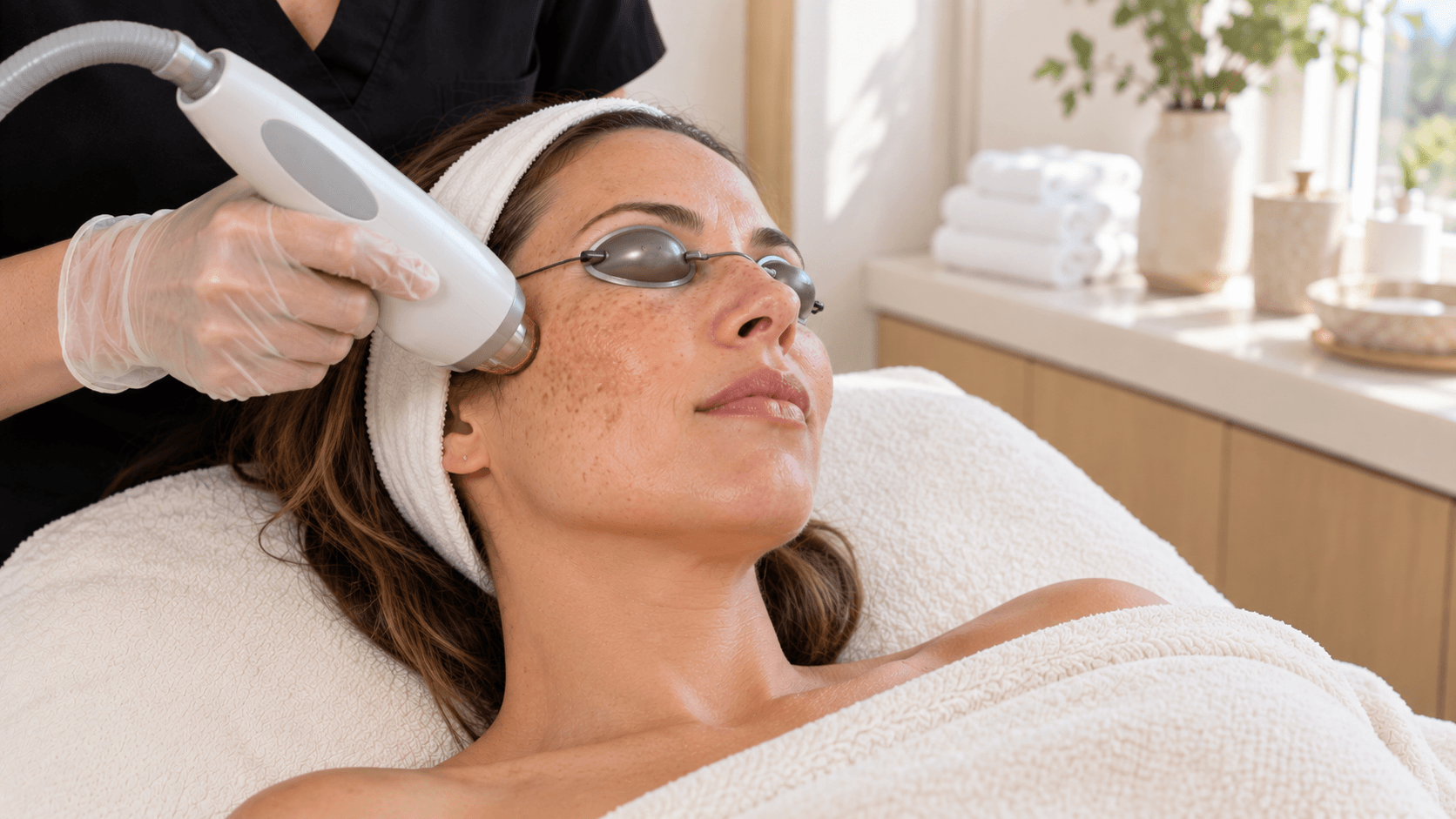
At Skin Care Institute, we use medical-grade LED therapy as part of advanced facials or skin recovery treatments. These devices deliver stronger, clinically calibrated light energy that:
- Reaches deeper skin layers
- Triggers more substantial collagen production
- Kills acne bacteria more efficiently
- Supports post-treatment healing (after microneedling, laser, or peels)
Treatment frequency: Often once per week in-office is equivalent to daily home use for a month.
Who Should Use At-Home LED Devices?
At-home devices may be a good option if you:
- Want to maintain results between professional treatments
- Have mild skin concerns (occasional breakouts or dullness)
- Are highly disciplined with your routine
- Understand they’re not a substitute for medical-grade treatments
Pro-Tip: Combine for Best Results
Many Skin Care Institute clients pair at-home LED masks with:
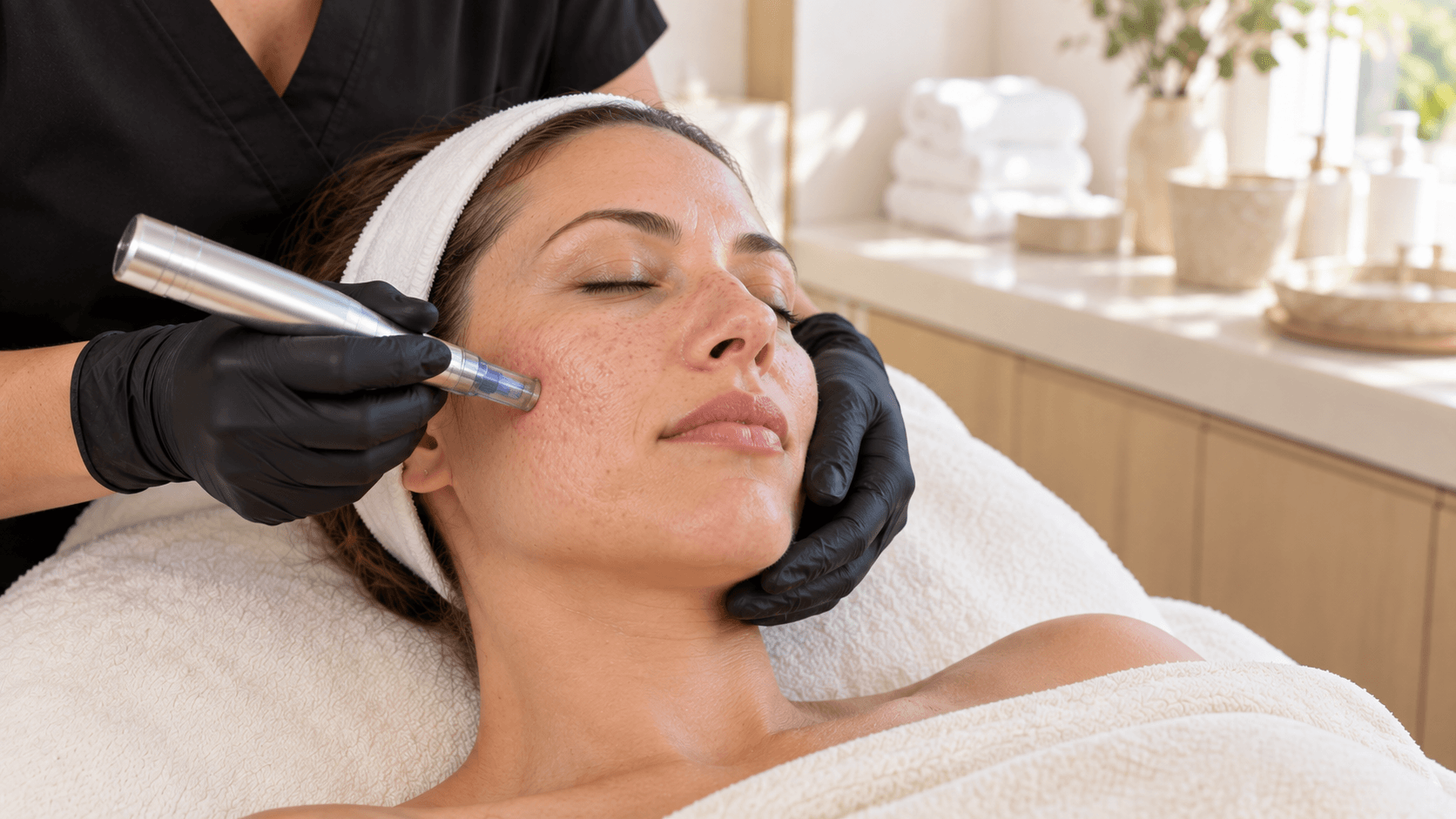
- In-office facials or microneedling to speed healing and results
- Medical-grade skincare like retinols or antioxidants to enhance outcomes
- Monthly LED maintenance sessions with our licensed providers
The combination delivers deeper, longer-lasting results than DIY devices alone.
Key Takeaways
- At-home LED therapy devices can support skin health, but they’re not as powerful as in-office treatments.
- Expect mild improvements over time—not dramatic makeovers.
- For aging, acne, or pigmentation concerns, professional LED therapy offers faster, stronger, and safer results.
- For serious skin goals, schedule a consultation at Skin Care Institute to build a treatment plan that works.
FAQs
- Do at-home LED devices really work?
Yes—for minor concerns and with consistent use. However, they don’t match the strength or depth of clinical devices. - Are they safe for all skin types?
Most at-home LED devices are safe for all skin tones and types, but always follow usage guidelines to avoid overuse. - How soon will I see results?
You may see subtle changes in tone and clarity after 4–6 weeks of consistent use. In-office treatments show results much faster. - Can I use an at-home LED device with retinol or acids?
Yes, but alternate use or consult a provider if you experience sensitivity. - Should I get LED treatments in-office if I already have a home device?
Yes. Combining both approaches gives you maintenance at home and transformation in-office.