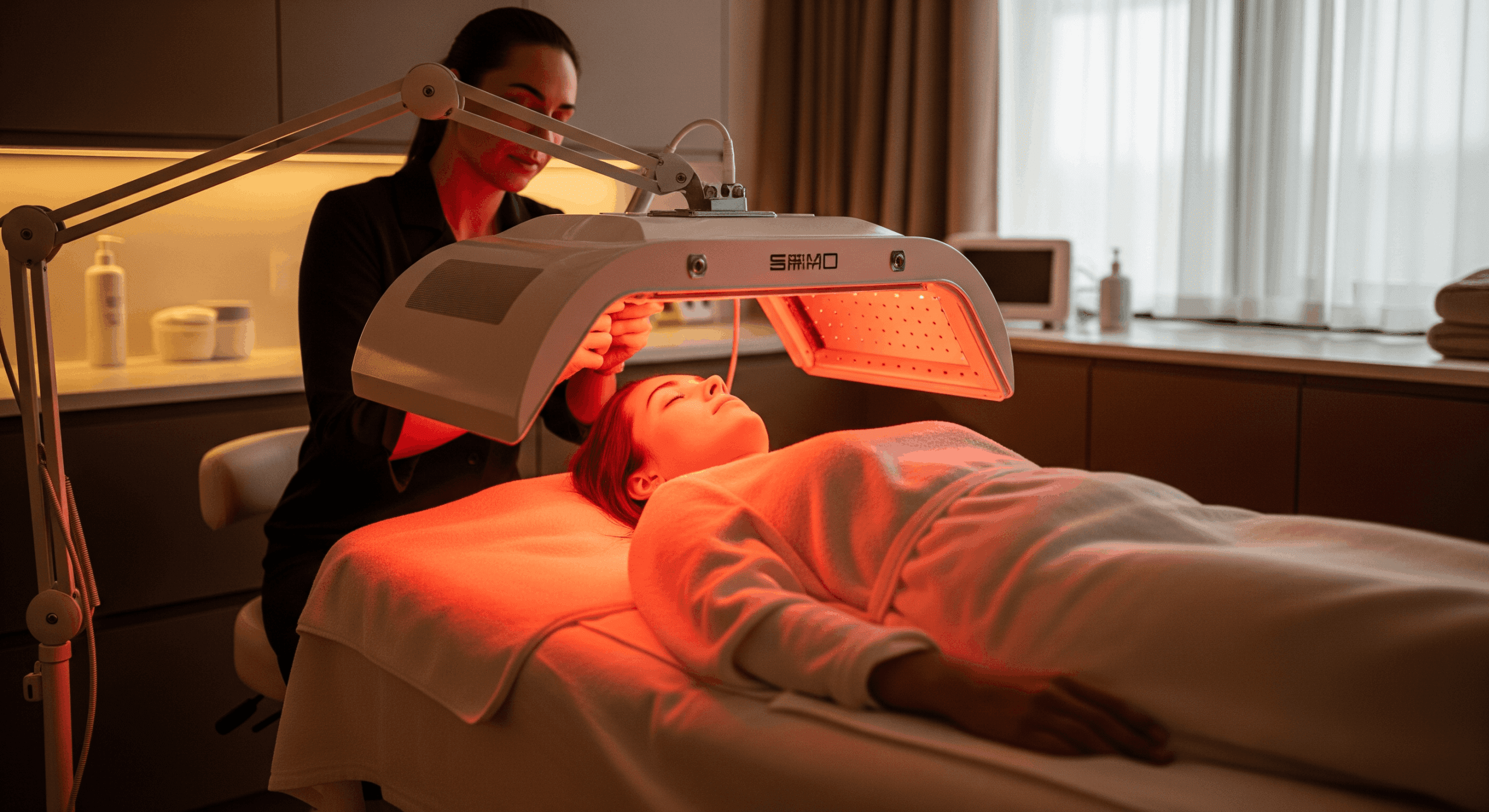
CO2 lasers are the heavyweights of skin resurfacing—precise, powerful, and remarkably effective. While many patients seek them out hoping for brighter, more even skin tone, what they often walk away with is significantly smoother texture. That’s because CO2 laser treatments go deeper, tackling the physical structure of your skin—not just its color.
This blog explains exactly how CO2 lasers improve skin texture, why that effect is more pronounced than tone correction, and what to expect from this high-performance treatment.
Jump To:
TLDR – Quick Guide
- CO2 laser is an ablative laser that resurfaces the skin by removing damaged layers and stimulating new collagen.
- It’s particularly effective for acne scars, enlarged pores, fine lines, and rough texture.
- While it can help even tone slightly, its primary benefits lie in texture transformation.
- Post-treatment results depend on provider expertise, recovery compliance, and your skin’s healing ability.
- The procedure involves downtime—but the dramatic texture improvements make it worth it for many.
Detailed Breakdown: What CO2 Lasers Actually Do
CO2 lasers work by delivering targeted beams of light into the skin to vaporize damaged cells and trigger natural healing. Unlike gentle toning treatments, CO2 lasers are ablative, meaning they remove layers of skin tissue and cause a controlled wound-healing response.
This stimulates collagen and elastin production, tightening the skin and smoothing its surface. It’s why the CO2 laser is often recommended for acne scars, wrinkles, and rough or uneven skin texture. For more information on these services, visit Skin Rejuvenation.
1. Smoothing Out Acne Scars
The CO2 laser is a go-to solution for atrophic acne scars—like boxcar, ice pick, or rolling scars. These types of scars distort the skin’s surface, and topical treatments often fail to address them. By targeting scarred areas with precision, the laser resurfaces skin and rebuilds the dermal structure, gradually minimizing indents and unevenness.
Interested in scar revision? Check out our dedicated scar treatment options.
2. Reducing Fine Lines and Wrinkles
While injectables freeze muscle movement, CO2 lasers rebuild skin support from the inside out. The laser energy penetrates below the surface to trigger collagen production, which helps fill in fine lines naturally. Areas like crow’s feet, lip lines, and forehead wrinkles respond especially well.
To complement your anti-aging goals, we also offer neurotoxins and dermal fillers for dynamic wrinkles.
3. Shrinking Enlarged Pores
Enlarged pores are often due to loss of skin elasticity or excessive oil production. CO2 lasers shrink pores by tightening the surrounding tissue, resulting in a smoother overall appearance. Clients frequently notice improved makeup application and less visible skin texture after treatment.
4. Reviving Dull and Rough Skin
Environmental damage, aging, and lack of exfoliation can cause skin to feel rough and look tired. The CO2 laser acts as a hard reset—removing old, damaged cells and making way for fresher, healthier skin. Many clients describe their post-treatment glow as the best their skin has ever looked.
For dullness caused by sun damage, explore solutions on our Sun Damage page.
5. Why It Improves Texture More Than Tone
Texture relates to how skin feels and reflects light—things like scars, bumps, or rough patches. Tone refers to pigmentation: redness, brown spots, or discoloration. CO2 lasers can help with mild pigmentation issues, but their true strength lies in collagen remodeling, which lifts, smooths, and tightens skin from within.
For patients focused on correcting tone, non-ablative lasers, IPL, or chemical peels are often better options—or can be combined with CO2 treatments. Schedule a consultation to find out what’s right for your skin.
Key Takeaways
- CO2 laser treatments are most effective at transforming skin texture—reducing scars, fine lines, roughness, and enlarged pores.
- The treatment works by vaporizing old skin and stimulating collagen, leading to smoother, firmer results.
- While skin tone may improve slightly, pigmentation correction is not the laser’s primary goal.
- Expert-guided treatment plans and aftercare significantly influence your outcome.
- Always choose a reputable provider to maximize both safety and results.
FAQs
1. What skin concerns does the CO2 laser treat best?
CO2 lasers are best for texture concerns like acne scars, deep wrinkles, large pores, and rough skin. They work by removing damaged layers and promoting collagen production. While they can offer slight improvement in tone, their real strength lies in structural skin repair.
2. Is there downtime after a CO2 laser treatment?
Yes, most patients experience 5–7 days of redness, peeling, and sensitivity post-treatment. Full recovery may take up to two weeks, depending on treatment intensity. Following your provider’s aftercare plan is essential for safe healing and best results.
3. How soon will I see results from CO2 laser resurfacing?
You’ll notice initial improvements after the skin heals, but full results develop over 3–6 months as collagen rebuilds. Many patients experience continued skin improvements for months after their session. A series of treatments may be recommended for deeper concerns.
4. Can CO2 lasers help with skin tone too?
Yes—but mildly. While the CO2 laser can fade minor pigmentation or sun damage, it’s not the most efficient tool for tone correction. Consider pairing it with IPL or chemical peels for more comprehensive pigmentation treatment.
5. Who is a good candidate for CO2 laser resurfacing?
Ideal candidates are individuals with fair to medium skin tones who want to improve texture-related concerns like scars or wrinkles. Those with active acne, darker skin tones, or certain medical conditions may not be suitable. A thorough consultation helps determine if CO2 is right for you.