At some point after 40, your skin starts changing in ways that skincare products alone can’t fully fix.
Skin feels thinner. Firmness fades. Fine lines deepen. And suddenly, the loss of collagen becomes much more noticeable.
That’s why more people are searching for effective collagen loss after 40 treatments that go beyond surface-level improvement.
At Skin Care Institute, advanced skin tightening and collagen-stimulating treatments are designed to help restore firmness, improve elasticity, and support healthier-looking skin without surgery.
Let’s break down why collagen loss happens after 40—and which treatments actually help improve skin firmness.
Jump to:
TLDR – Quick Guide
- Collagen production decreases significantly after 40
- Skin loses firmness, elasticity, and volume over time
- Treatments can stimulate collagen and improve skin structure
- Different treatments target different layers of the skin
- Combining treatments often delivers the best results
Why Collagen Loss Happens After 40
Collagen is the structural protein responsible for:
- Firmness
- Elasticity
- Skin support
As collagen production slows with age, skin gradually becomes:
- Looser
- Thinner
- Less resilient
This leads to:
- Sagging skin
- Fine lines and wrinkles
- Volume loss
- Reduced skin firmness
The goal of collagen loss after 40 treatments is to stimulate your skin’s natural rebuilding process rather than simply masking the issue.
How Skin Firmness Treatments Work
Most collagen-focused treatments work by triggering the body’s natural healing response.
This stimulates:
- New collagen production
- Tissue remodeling
- Improved skin structure over time
Different technologies target different depths within the skin, which is why treatment selection matters.
Best Treatments for Collagen Loss After 40
Ultherapy for Skin Tightening
Ultherapy uses ultrasound energy to stimulate collagen deep beneath the skin.
This treatment helps:
- Tighten loose skin
- Improve firmness
- Lift areas prone to sagging
Professional Ultherapy skin tightening treatments are especially popular for the jawline, neck, and lower face because they target deeper support structures without surgery.
Microneedling with PRP or Exosomes
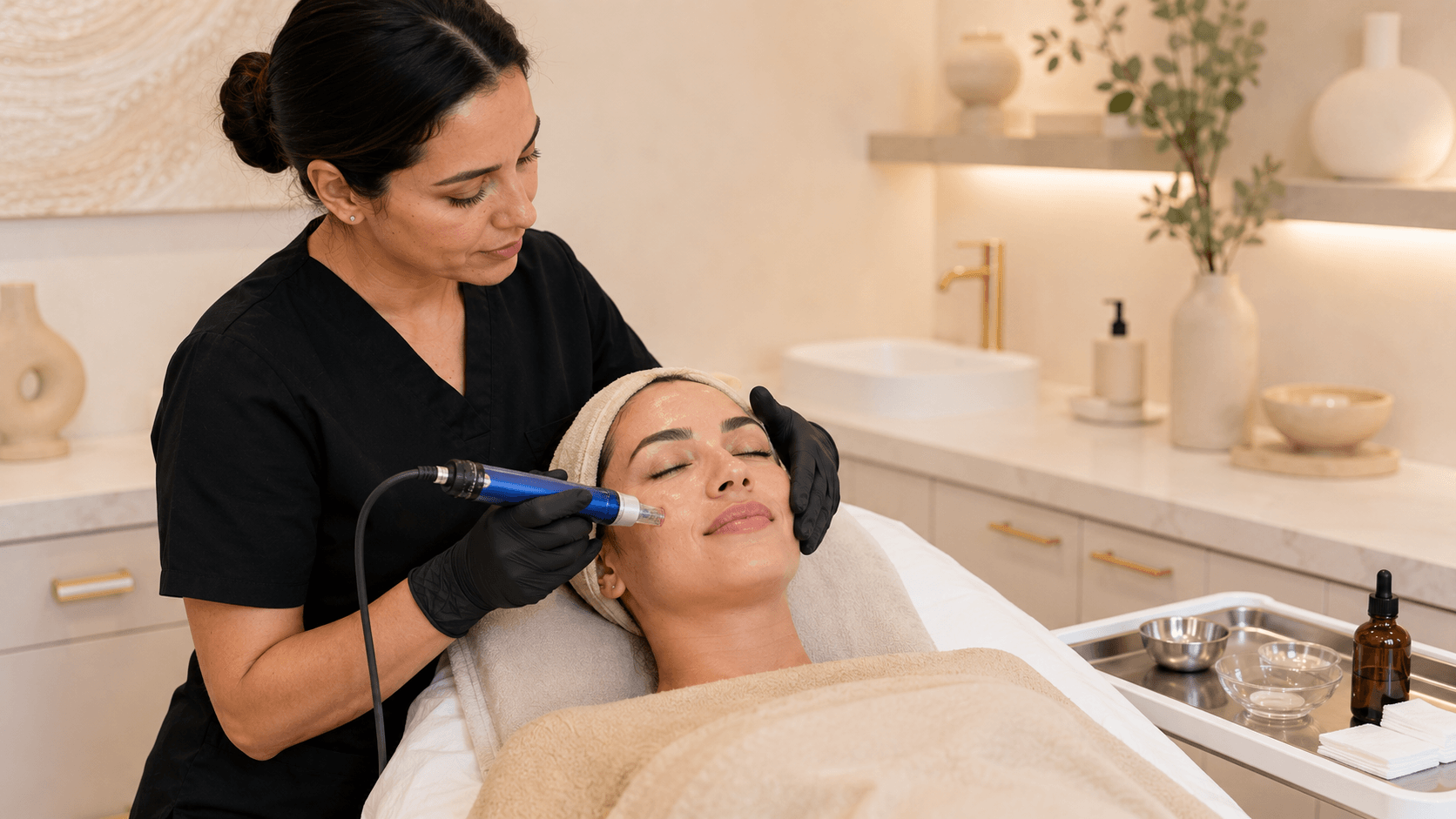
Microneedling creates controlled micro-injuries that stimulate collagen production naturally.
When combined with PRP or exosomes, it can help:
- Improve skin texture
- Boost collagen regeneration
- Enhance healing and rejuvenation
Advanced SkinPen microneedling with PRP or exosomes is often used to improve firmness while also addressing fine lines and uneven texture.
Sylfirm X RF Microneedling
Sylfirm X combines radiofrequency energy with microneedling to stimulate collagen at deeper levels.
This treatment helps:
- Tighten skin
- Improve elasticity
- Reduce signs of aging
Professional Sylfirm X RF microneedling treatments are ideal for people who want both skin tightening and texture improvement in one treatment.
Dermal Fillers for Volume Support
Collagen loss often comes with volume loss.
That’s where fillers can help restore structural support.
Treatments like Voluma XC are commonly used to:
- Restore cheek volume
- Improve facial contours
- Support skin structure indirectly
Meanwhile, softer fillers like Vollure XC help smooth deeper lines while maintaining natural movement.
Why Combination Treatments Often Work Best
One treatment rarely addresses every aspect of aging skin.
That’s why many providers combine:
- Skin tightening
- Collagen stimulation
- Volume restoration
This layered approach helps improve:
- Firmness
- Texture
- Elasticity
- Facial support
The result is more balanced, natural-looking rejuvenation.
When Will You See Results?
Collagen rebuilding takes time.
Typical timeline:
- Early improvement: within weeks
- Best results: several months after treatment
- Continued improvement as collagen develops
Because collagen regenerates gradually, results often look more natural over time.
Why Professional Guidance Matters
Not all skin aging happens the same way.
At Skin Care Institute, treatments are customized based on:
- Degree of collagen loss
- Skin laxity
- Volume loss
- Overall goals
This helps ensure the right combination of treatments is selected for long-term improvement—not temporary fixes.
Key Takeaways
- Collagen loss after 40 leads to reduced firmness and elasticity
- Skin tightening and collagen stimulation treatments help restore support
- Different treatments target different layers of the skin
- Combination treatments often produce the best results
- Professional customization improves long-term outcomes
FAQs
1. Why does collagen loss happen after 40?
Collagen production naturally slows as we age, especially after 40. This leads to reduced firmness, elasticity, and skin support. Environmental factors like sun exposure can accelerate the process.
2. What treatments help improve collagen production?
Treatments like Ultherapy, microneedling, and RF microneedling help stimulate collagen naturally. These treatments trigger the skin’s repair response. Over time, this improves firmness and texture.
3. Are fillers considered collagen loss treatments?
Fillers do not directly create collagen, but they help restore lost volume and support. They can improve facial structure and reduce sagging appearance. Many people combine fillers with collagen-stimulating treatments.
4. How long does it take to see results from collagen treatments?
Results usually develop gradually over several weeks to months. Collagen rebuilding takes time because the body is naturally regenerating tissue. Consistency and maintenance help maximize results.
5. Can collagen loss after 40 be reversed completely?
Collagen loss is a natural aging process, so it cannot be fully reversed permanently. However, treatments can significantly improve firmness, elasticity, and overall skin quality. Long-term maintenance helps preserve results.