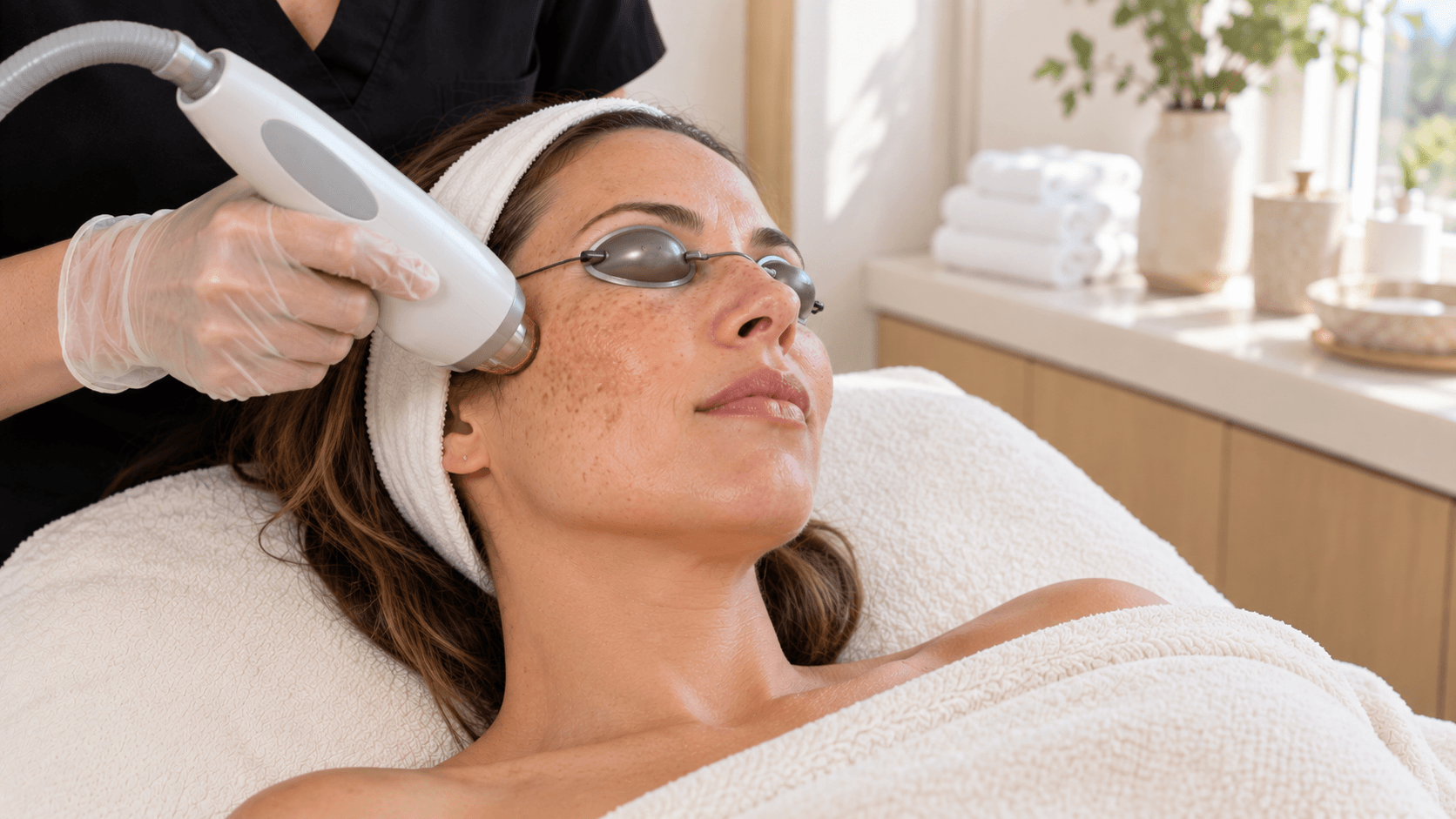
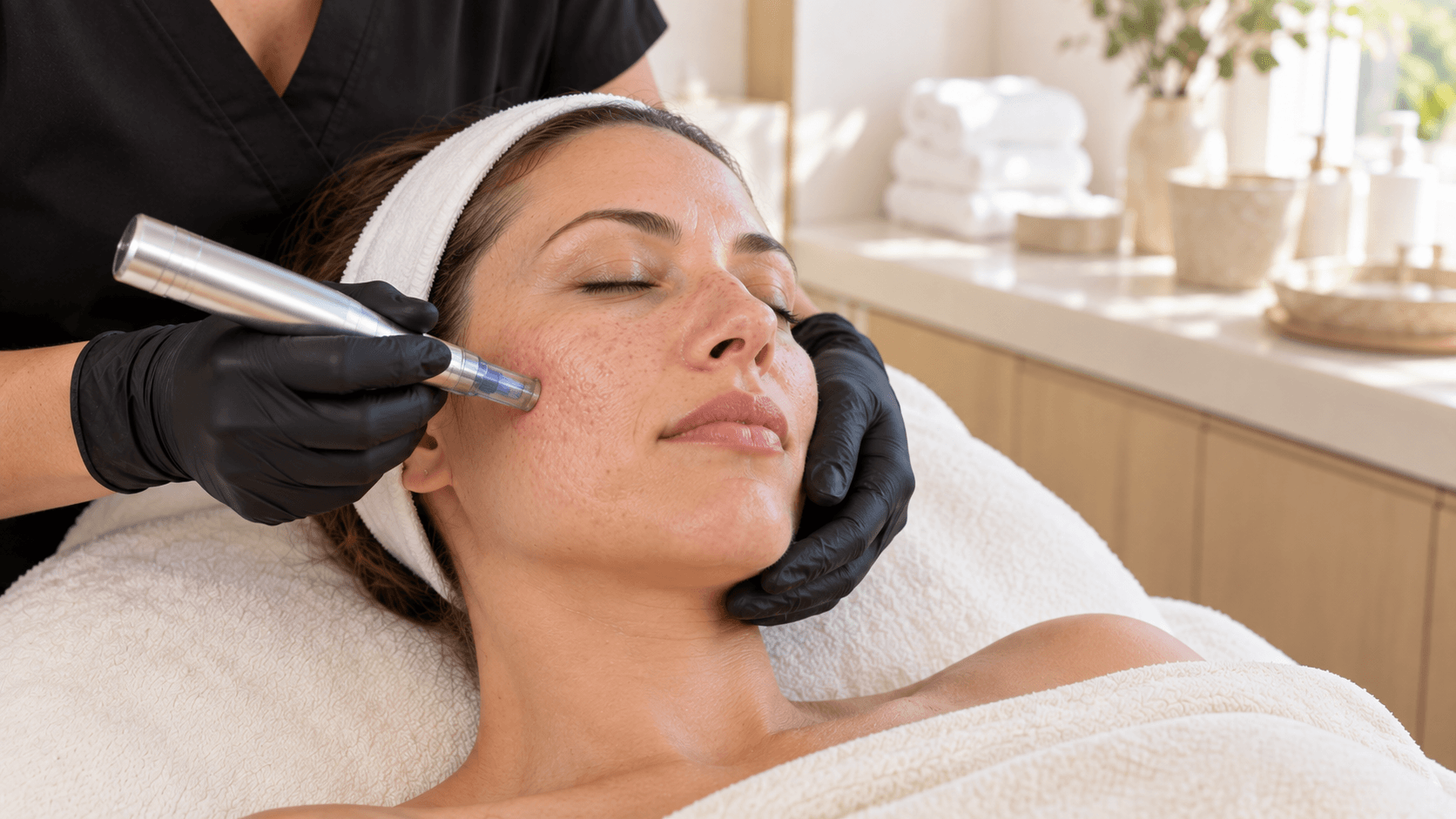
After investing in laser treatments, most people want to get back to normal routines as quickly as possible—including workouts.
But here’s the problem:
Exercising after laser treatment too soon can actually slow your skin’s recovery and affect your results.
Heat, sweat, and friction may seem harmless, but right after laser procedures, your skin is far more sensitive and vulnerable to irritation.
At Skin Care Institute, post-treatment recovery guidance is considered just as important as the treatment itself because protecting your skin during healing helps maximize results and minimize complications.
Let’s break down why exercise matters after laser treatments—and when it’s actually safe to return to your workouts.
Jump to:
- TLDR – Quick Guide
- Why Exercise Can Affect Laser Recovery
- How Sweat and Heat Irritate Healing Skin
- Different Laser Treatments Require Different Recovery Times
- How Long Should You Avoid Exercise After Laser Treatment?
- Signs You’re Returning to Exercise Too Soon
- How to Support Faster Skin Recovery
- Why Professional Aftercare Matters
- Key Takeaways
- FAQs
TLDR – Quick Guide
- Exercising too soon after laser treatment can irritate healing skin
- Sweat and heat may increase redness and inflammation
- Recovery time depends on the type of laser treatment
- Gentle care helps improve healing and results
- Following professional aftercare guidance is essential
Why Exercise Can Affect Laser Recovery
Laser treatments intentionally create controlled stress within the skin to stimulate renewal and repair.
Immediately afterward, your skin is more vulnerable to:
- Heat
- Inflammation
- Bacteria
- Irritation
Exercise increases:
- Body temperature
- Sweat production
- Friction against the skin
This combination can interfere with the healing process and increase discomfort.
How Sweat and Heat Irritate Healing Skin
After laser treatment, your skin barrier is temporarily compromised.
Sweat and heat can:
- Intensify redness
- Trigger inflammation
- Cause stinging or irritation
- Increase sensitivity
This is especially important after treatments like laser skin resurfacing, where the skin needs time to properly recover and regenerate.
Different Laser Treatments Require Different Recovery Times
Not all laser treatments affect the skin equally.
Laser Skin Resurfacing
More intensive treatments typically require the longest downtime.
With resurfacing treatments:
- Skin is more sensitive
- Redness lasts longer
- Healing protection becomes critical
Strenuous exercise is often avoided for several days depending on treatment intensity.
Clear + Brilliant Treatments
Treatments like Clear + Brilliant are gentler, but the skin still needs time to calm down.
Even mild sweating immediately afterward may increase:
- Redness
- Irritation
- Sensitivity
Many providers still recommend avoiding intense exercise for at least 24–48 hours.
IPL and Photofacial Treatments
Treatments such as Lumecca IPL photofacials target pigmentation and redness while creating temporary skin sensitivity.
Excess heat from workouts can worsen:
- Facial flushing
- Inflammation
- Post-treatment sensitivity
Proper recovery helps protect the results.
Chemical Peels and Combination Treatments
If laser treatments are combined with chemical peels, the skin may be even more reactive.
This increases the importance of:
- Avoiding sweat
- Limiting heat exposure
- Reducing irritation during recovery
How Long Should You Avoid Exercise After Laser Treatment?
Recovery recommendations vary depending on the treatment.
General guidelines:
- Mild treatments: 24–48 hours
- More aggressive resurfacing: several days or longer
- Intense sweating and heat should be avoided during early healing
The goal is to allow inflammation to settle before stressing the skin again.
Signs You’re Returning to Exercise Too Soon
Your skin will usually tell you if it’s not ready.
Warning signs include:
- Increased redness
- Burning or stinging
- Swelling
- Excess sensitivity
If symptoms worsen after activity, your skin likely needs more recovery time.
How to Support Faster Skin Recovery
During healing, focus on:
- Gentle skincare
- Hydration
- Sun protection
- Avoiding excessive heat
Supporting the skin barrier properly helps maximize treatment results while minimizing irritation.
Why Professional Aftercare Matters
One of the biggest mistakes people make is assuming all laser treatments heal the same way.
At Skin Care Institute, aftercare instructions are customized based on:
- Treatment type
- Skin sensitivity
- Intensity level
- Individual healing response
This helps ensure your skin heals safely while protecting your long-term results.
Key Takeaways
- Exercising after laser treatment too soon can slow recovery
- Sweat and heat may increase redness and irritation
- Recovery timelines depend on the type of treatment performed
- Gentle aftercare supports better healing and results
- Professional guidance helps reduce complications
FAQs
1. Can I exercise after laser treatment?
It depends on the type of laser treatment and your skin’s condition. Most providers recommend avoiding exercise for at least 24–48 hours. More aggressive treatments may require longer recovery time.
2. Why is sweating bad after laser treatment?
Sweat can irritate sensitive skin and increase inflammation after treatment. Heat and bacteria may also interfere with healing. This can worsen redness and discomfort.
3. How long should I wait to work out after laser resurfacing?
Laser resurfacing often requires a longer recovery period than lighter treatments. Many people are advised to avoid strenuous workouts for several days. Your provider will recommend the safest timeline.
4. Can exercise affect laser treatment results?
Yes, exercising too soon may increase irritation and slow recovery. Protecting the skin during healing helps preserve better results. Proper aftercare is important for optimal outcomes.
5. What activities should I avoid after laser treatments?
Activities involving heat, sweating, and friction should be limited during early recovery. This includes intense workouts, saunas, and hot yoga. Gentle activity may be allowed depending on the treatment.