Enlarged pores can be stubborn. You can cleanse carefully, use quality skincare, and temporarily blur them with makeup, yet uneven texture can still be noticeable—especially across areas like the nose, cheeks, and forehead.
That’s why microneedling for enlarged pores may be worth considering when topical skincare isn’t producing the smoother appearance you want.
Microneedling approaches skin texture differently. By creating controlled microchannels, treatment encourages the skin’s natural renewal response and collagen production, which can gradually improve overall texture and make enlarged pores appear less noticeable.
At Skin Care Institute, microneedling is part of a broader range of skin rejuvenation options, with treatments selected according to individual concerns and goals.
But how many appointments should you expect? There isn’t one number for everyone, although a series of treatments is commonly recommended rather than expecting maximum improvement from a single session.
Jump to:
TLDR – Quick Guide
Here’s what to know about microneedling for enlarged pores:
- Microneedling creates controlled microchannels in the skin.
- The healing response encourages collagen production and skin renewal.
- Improved texture can make enlarged pores look less prominent.
- Results develop gradually rather than immediately.
- Multiple treatments may be recommended for optimal improvement.
- Skin Care Institute’s RF microneedling guidance notes that most people benefit from 3–4 treatments spaced several weeks apart.
- Traditional SkinPen microneedling and RF microneedling aren’t identical treatments.
- Your treatment count should depend on your skin, concerns, and selected procedure.
The important distinction is that microneedling doesn’t physically erase pores. Instead, the objective is smoother, more refined-looking skin texture.
Detailed Breakdown
Why Do Pores Start Looking Larger?
Pores are a normal part of skin, so having visible pores doesn’t mean something is wrong.
However, their appearance can become more noticeable when other skin concerns are present.
Uneven texture can draw more attention to pores, while factors such as oiliness, congestion, and changes in skin quality may make the surface look less refined.
That’s why Skin Care Institute’s information on Enlarged Pores focuses on improving their appearance rather than promising to eliminate pores entirely.
For someone bothered by persistent texture, the realistic goal is:
Smaller-looking pores—not poreless skin.
How Does Microneedling for Enlarged Pores Work?
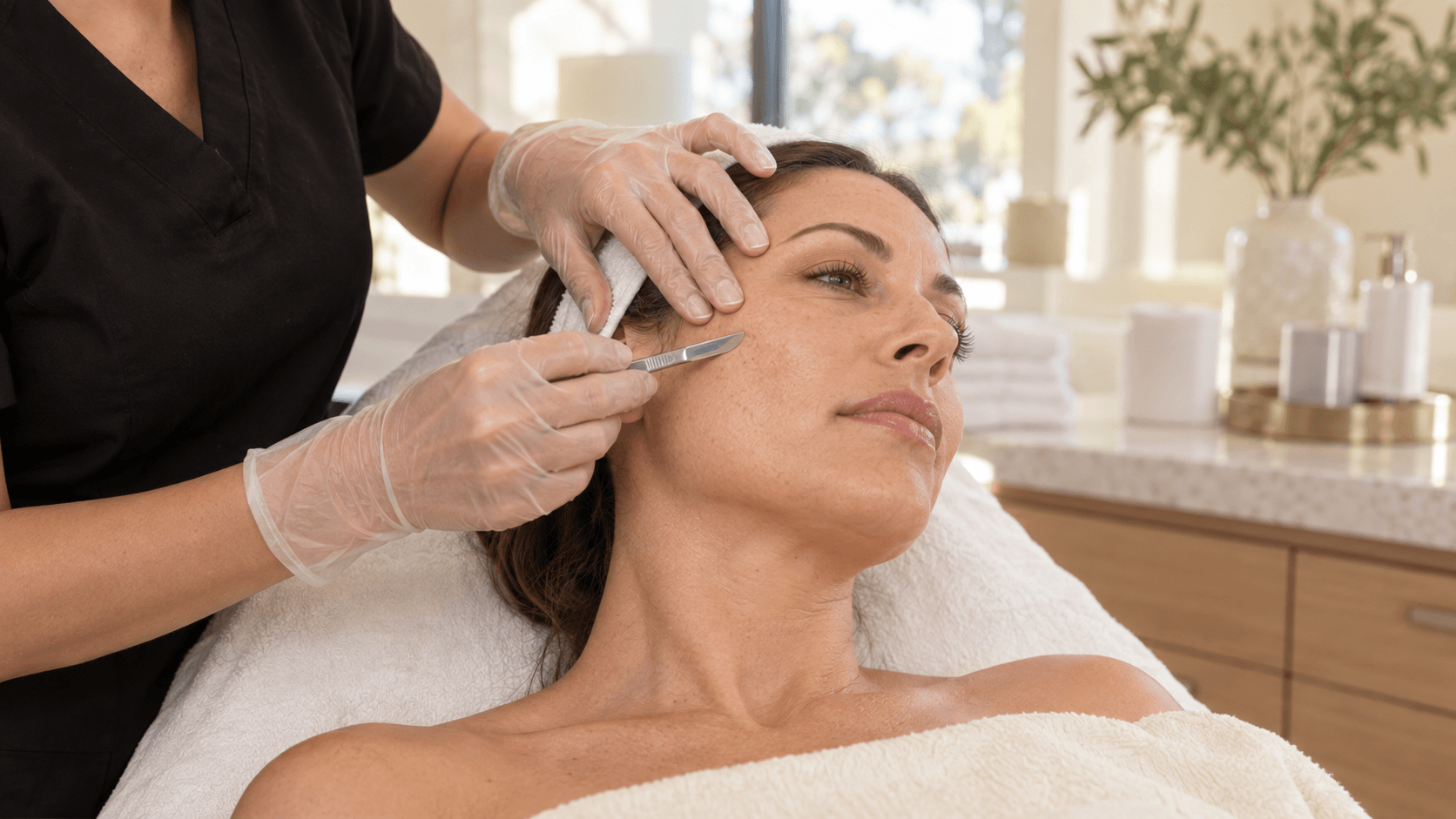
Microneedling uses tiny needles to create controlled microchannels in the skin.
Those controlled micro-injuries trigger the skin’s natural healing response, encouraging collagen and elastin production and supporting skin renewal.
Over time, this remodeling can contribute to smoother and more refined-looking texture.
That makes microneedling for enlarged pores different from treatments that primarily clean debris from inside pores.
The objective isn’t simply to clean the surface.
It’s to improve the quality and texture of the surrounding skin.
How Many Microneedling Treatments Are Needed?
This is the question everyone wants answered with one tidy number.
Unfortunately, skin isn’t that cooperative.
Skin Care Institute’s guidance on RF microneedling notes that most people benefit from a series of 3–4 treatments spaced several weeks apart.
However, that number shouldn’t automatically be applied to every type of microneedling or every patient.
Treatment needs can depend on:
- Severity of enlarged pores
- Overall skin texture
- Other concerns being treated
- Type of microneedling procedure
- Individual healing response
- Desired degree of improvement
A person with mildly visible pores and otherwise smooth skin may have a different plan from someone dealing with enlarged pores, acne scarring, and significant textural irregularity.
Why Isn’t One Treatment Always Enough?
Microneedling relies on the skin’s natural remodeling process.
That process takes time.
Creating controlled microchannels begins the response, but collagen doesn’t suddenly rebuild the moment the treatment ends.
This is why microneedling for enlarged pores is better understood as a progressive treatment.
One appointment begins the process.
Additional treatments may build on the previous response.
Then the skin continues changing as collagen remodeling develops over time.
It’s less “instant filter” and more “give your skin a reason—and some time—to remodel.”
When Can You Expect to See Results?
Results from microneedling aren’t necessarily immediate.
Skin Care Institute’s RF microneedling guidance explains that initial improvements may appear within a few weeks, while collagen remodeling continues over several months.
That gradual progression is important when evaluating enlarged pores.
Immediately after treatment, you’re not looking at the finished product.
Instead, texture may continue to improve as the skin progresses through its renewal process.
This means taking consistent photographs in similar lighting can sometimes provide a more useful comparison than checking the mirror every morning for microscopic changes.
What Is SkinPen Microneedling?
SkinPen Microneedling + PRP or Exosomes is one of the microneedling approaches offered by Skin Care Institute.
Traditional microneedling creates controlled micro-injuries designed to stimulate the skin’s natural healing response.
Skin Care Institute also pairs SkinPen microneedling with options such as PRP or exosomes as part of its treatment offerings.
When considering microneedling for enlarged pores, the important point is that the specific treatment protocol matters.
“Microneedling” is a category.
Your actual experience, treatment schedule, and goals depend on the particular approach recommended for your skin.
What About RF Microneedling for Enlarged Pores?
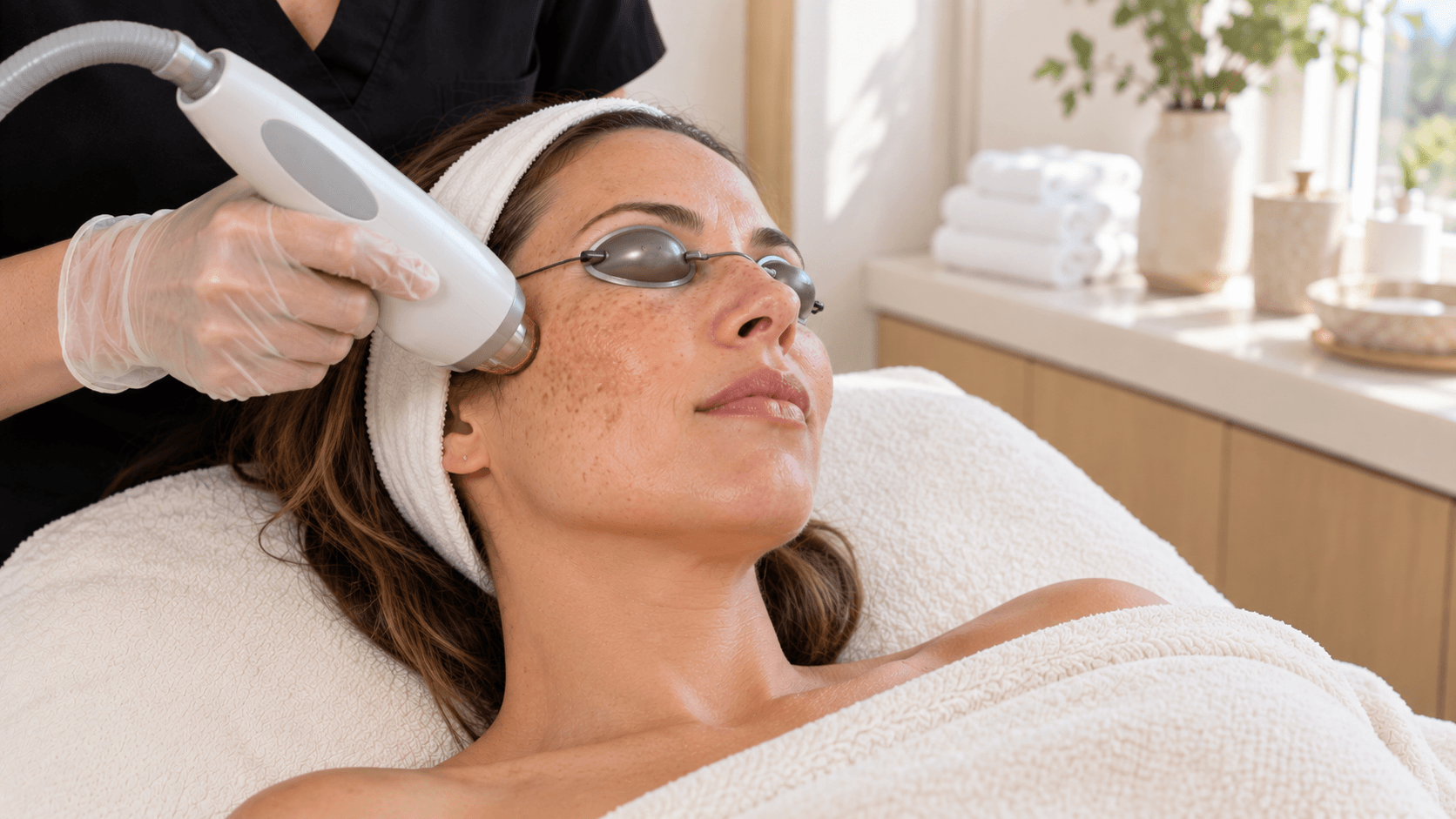
RF microneedling builds on traditional microneedling by adding radiofrequency energy.
Skin Care Institute explains that the microneedles create microchannels while simultaneously delivering RF energy into deeper layers of the skin.
That added energy is intended to enhance collagen remodeling and tightening.
Skin Care Institute specifically lists minimizing enlarged pores and smoothing overall skin texture among the concerns RF microneedling can address.
Its guide to RF Microneedling for Skin Texture notes that most people benefit from a series of three to four sessions spaced several weeks apart.
That makes RF microneedling particularly relevant when enlarged pores aren’t your only concern.
Traditional Microneedling vs. RF Microneedling: Which Is Better for Pores?
“Better” depends on what you’re trying to accomplish.
Traditional microneedling uses controlled needling to stimulate the skin’s healing and collagen response.
RF microneedling combines that process with radiofrequency energy delivered into deeper tissue.
Skin Care Institute describes RF microneedling as particularly useful for concerns such as:
- Enlarged pores
- Rough texture
- Acne scars
- Fine lines and wrinkles
- Mild to moderate laxity
If your main concern is simply visible pores, traditional microneedling may be part of the discussion.
If pores occur alongside more significant texture or aging concerns, an RF-based approach may also be worth considering.
The best choice isn’t automatically the more intensive treatment.
It’s the one that matches your skin.
Can Microneedling Permanently Remove Enlarged Pores?
No treatment should be approached with the expectation of removing pores altogether.
Pores are part of normal skin anatomy.
The more realistic objective of microneedling for enlarged pores is improving the surrounding skin texture so pores become less noticeable.
Think:
refined rather than erased.
This distinction matters because unrealistic expectations can make a successful treatment feel disappointing.
If your skin becomes smoother and the pores look less prominent, that’s meaningful improvement—even though you’ll still have pores.
What Is Recovery Like?
Recovery depends partly on the type and intensity of microneedling performed.
For RF microneedling, Skin Care Institute notes that redness and mild swelling similar to a sunburn can occur for approximately one to two days.
Most people can return to regular activities within about 24–48 hours.
Your individual experience may vary.
The provider should explain what to expect before treatment, including appropriate skincare and aftercare.
Planning matters, too.
If you have a wedding, major meeting, or photo session tomorrow morning, experimenting with a new treatment today probably isn’t your finest scheduling decision.
Why Does Collagen Matter for Enlarged Pores?
The relationship between collagen and texture is a key reason microneedling is used for skin rejuvenation.
Microneedling stimulates a controlled healing response that encourages collagen and elastin production.
As that remodeling occurs, the skin can become smoother and firmer-looking.
For enlarged pores, improving the quality of the surrounding skin can make the overall surface look more refined.
That’s also why Skin Rejuvenation isn’t simply about addressing one isolated flaw.
Texture, firmness, scars, wrinkles, and pores can overlap.
A comprehensive evaluation helps determine which concerns should be treated together.
What If Enlarged Pores Aren’t Your Only Concern?
This is where microneedling becomes especially interesting.
Many people don’t walk into a consultation saying:
“Everything about my skin is perfect except these pores.”
More often, the concern looks like:
enlarged pores + rough texture
or:
enlarged pores + acne scars
or:
enlarged pores + fine lines + reduced firmness.
If several concerns are present, the provider can determine whether traditional microneedling, RF microneedling, or another rejuvenation treatment better fits the overall picture.
That’s more useful than treating every concern as a separate project.
How Do You Know When You’ve Had Enough Treatments?
The goal shouldn’t be reaching a predetermined number.
It should be reaching a level of improvement that makes sense for your skin and expectations.
After a treatment series, your provider can evaluate:
- How much texture has improved
- Whether pores appear less noticeable
- How your skin responded
- Whether additional sessions would add meaningful benefit
- Whether maintenance should be considered later
This prevents the treatment plan from becoming “three sessions because the internet said three.”
For microneedling for enlarged pores, the right number is ultimately the number that your provider recommends based on the treatment being used and how your skin responds.
Key Takeaways
- Microneedling for enlarged pores is generally a series-based treatment. Maximum improvement shouldn’t automatically be expected after one appointment.
- Skin Care Institute’s RF microneedling guidance suggests 3–4 sessions for many patients. Treatments are typically spaced several weeks apart, although individual plans can vary.
- Traditional and RF microneedling aren’t identical. RF microneedling adds radiofrequency energy to the controlled microchannels created by microneedles.
- Collagen remodeling takes time. Initial changes may develop within weeks, with improvements continuing over the following months.
- Microneedling doesn’t eliminate pores. The goal is to improve skin texture so enlarged pores become less noticeable.
- RF microneedling can address multiple concerns. Skin Care Institute lists enlarged pores, rough texture, scars, wrinkles, and mild to moderate laxity among its applications.
- Treatment count depends on your starting point. The severity of texture concerns, treatment type, response, and desired improvement all matter.
- Downtime is generally short with RF microneedling. Skin Care Institute notes that redness and mild swelling may last one to two days, with many people returning to normal routines within 24–48 hours.
- A personalized plan beats chasing a fixed number. Your provider should evaluate progress and determine whether additional microneedling treatments are likely to provide worthwhile improvement.
FAQs
How many microneedling treatments are needed for enlarged pores?
Multiple treatments may be recommended because microneedling relies on gradual collagen remodeling rather than instant correction. Skin Care Institute’s RF microneedling guidance states that most people benefit from a series of three to four sessions spaced several weeks apart. Your specific treatment count should be based on the procedure selected, your skin, and your response.
Does microneedling for enlarged pores permanently remove pores?
Microneedling isn’t intended to eliminate pores because pores are a normal part of the skin. Instead, improving collagen and overall skin texture can make enlarged pores appear less prominent. The realistic goal is smoother, more refined-looking skin rather than completely poreless skin.
When will I see results from microneedling for enlarged pores?
Skin Care Institute notes that initial improvements from RF microneedling may appear within a few weeks. Collagen remodeling continues over several months, so texture can continue changing after the initial treatment period. Your overall timeline also depends on whether you’re completing a series of sessions.
Is RF microneedling better for enlarged pores?
RF microneedling combines traditional microneedling with radiofrequency energy delivered into deeper layers of the skin. Skin Care Institute specifically lists minimizing enlarged pores and smoothing overall texture among the concerns it can address. Whether RF or another microneedling approach is more appropriate depends on your overall skin concerns and treatment goals.
Can microneedling for enlarged pores also improve rough texture?
Yes, improving uneven or rough texture is part of the reason microneedling may be considered when pores look prominent. Skin Care Institute describes both traditional and RF microneedling in terms of stimulating skin renewal and collagen production, with RF microneedling specifically addressing rough texture. A personalized evaluation can determine whether your pores and texture should be treated as part of the same rejuvenation plan.