Both microneedling and laser resurfacing are powerful skin rejuvenation treatments—but their approaches, benefits, and ideal candidates are very different. Choosing the right treatment can impact your results, downtime, and satisfaction. Understanding these differences helps you make an informed decision about your next step toward healthier, smoother skin.
Jump to:
- What Is Laser Resurfacing?
- Comparing Key Benefits
- Who Should Consider Each Treatment?
- Key Takeaways
- FAQs
TLDR – Quick Guide
- Microneedling uses fine needles to trigger collagen production naturally.
- Laser resurfacing uses focused light energy to remove or remodel skin layers.
- Both improve texture, tone, and scars, but differ in intensity, downtime, and cost.
- Microneedling is usually gentler with less downtime; lasers can target deeper concerns.
- A provider consultation will determine the best fit for your skin type and goals.
What Is Microneedling?
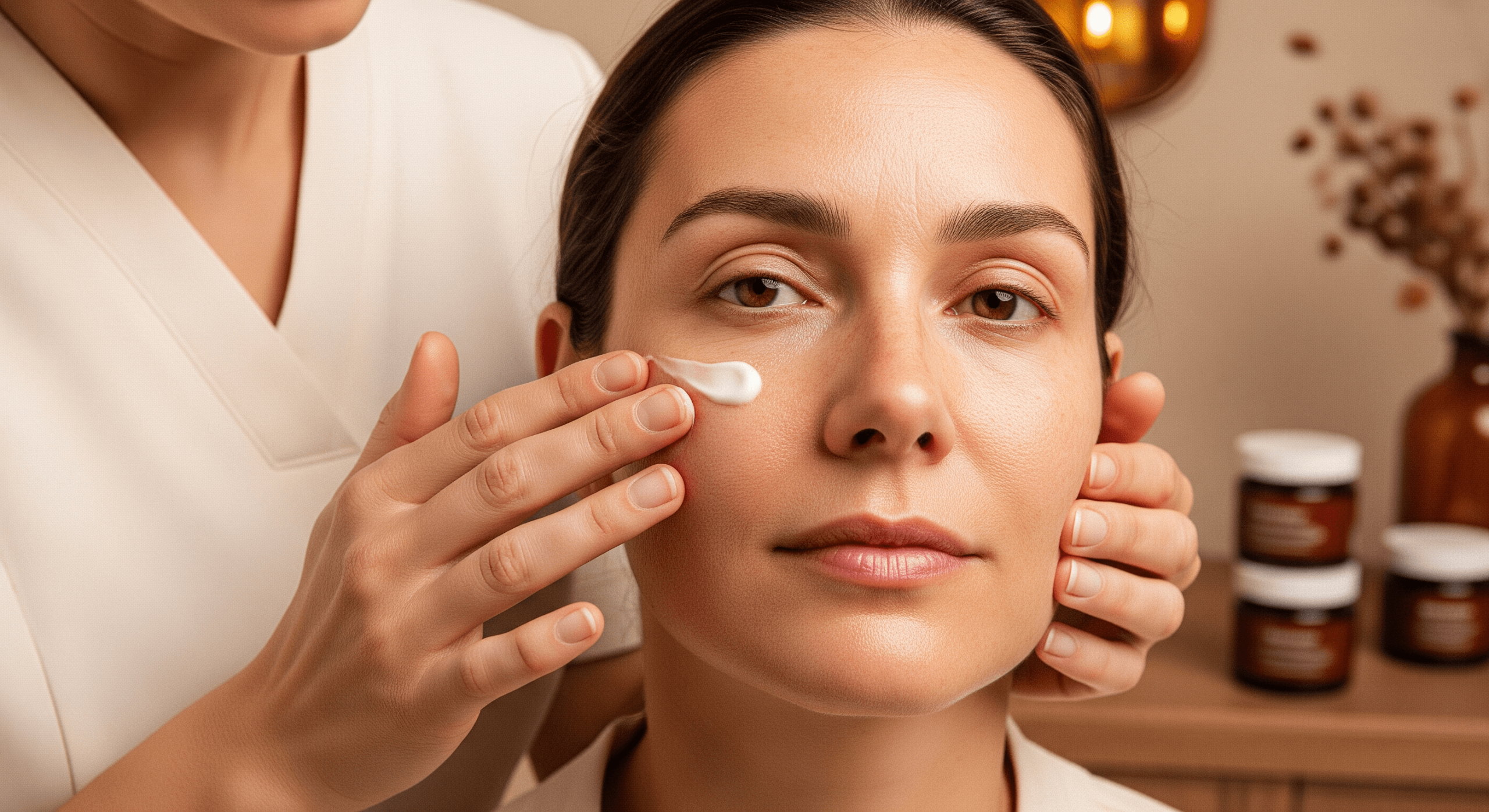
Microneedling is a minimally invasive procedure that uses fine needles to create tiny micro-injuries in the skin. This stimulates your body’s natural healing response, boosting collagen and elastin production. The result is smoother, firmer, and more youthful-looking skin over time. Microneedling is effective for treating mild acne scars, fine lines, enlarged pores, and overall texture concerns. Because it doesn’t involve heat or ablation, it’s suitable for most skin types and carries a lower risk of pigmentation issues.
What Is Laser Resurfacing?
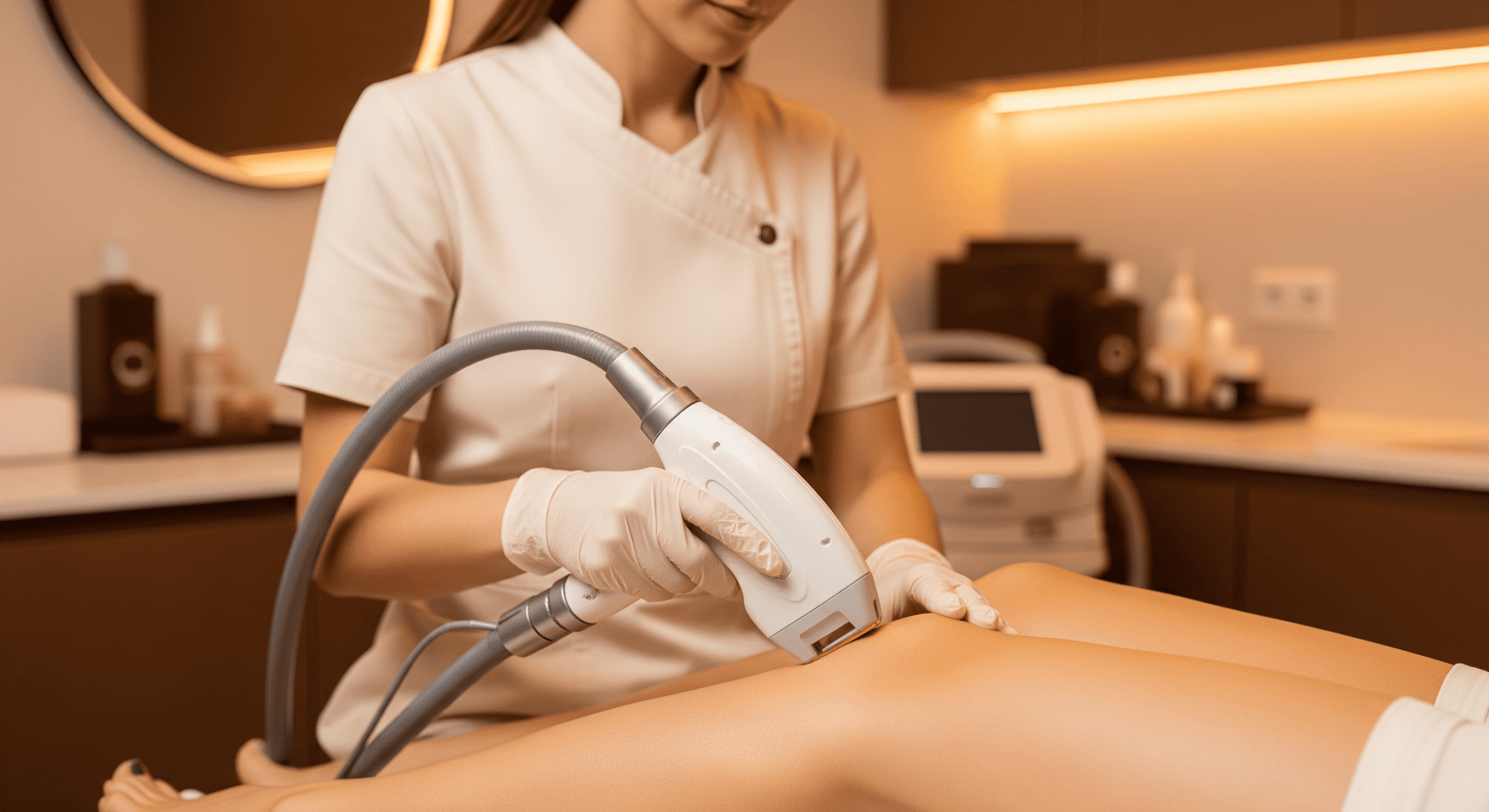
Laser resurfacing uses concentrated beams of light to remove or remodel the top layers of skin. There are two main types: ablative (which removes layers) and non-ablative (which heats the skin without removing tissue). Lasers can target deeper wrinkles, pronounced sun damage, and more significant scarring. Because the energy is precisely controlled, providers can customize the depth and intensity to fit your skin’s needs. However, laser resurfacing generally involves more downtime and requires strict sun protection during recovery.
Comparing Key Benefits
Microneedling is prized for its ability to refresh skin texture with minimal downtime. It’s also a good choice for individuals seeking gradual, natural-looking improvement and those with medium to darker skin tones, where lasers may pose a higher risk of post-treatment pigmentation.
Laser resurfacing, on the other hand, delivers faster and often more dramatic results for deeper wrinkles, more severe scars, and stubborn pigmentation. The technology allows for tailored treatments, and the results can be significant after just one session. However, you should expect more redness, peeling, and recovery time—sometimes lasting one to two weeks, depending on the laser used.
Who Should Consider Each Treatment?
Microneedling is ideal for people with early signs of aging, mild to moderate texture concerns, or acne scars who want a quick recovery and fewer risks. It’s also a good option for those with a lower tolerance for downtime or higher risk for pigment changes. This makes it popular for busy professionals and anyone seeking a subtle, progressive enhancement.
Laser resurfacing is best for individuals looking to address deeper wrinkles, advanced sun damage, or severe scarring—especially those with lighter skin types, as some lasers may not be safe for darker complexions. Patients willing to invest in a longer recovery for more dramatic changes are likely to be satisfied with laser treatments.
Key Takeaways
- Microneedling and laser resurfacing both rejuvenate the skin but use very different methods.
- Microneedling offers gradual, natural improvement with less downtime and broad suitability.
- Laser resurfacing delivers more dramatic results for deeper concerns but requires more recovery.
- The ideal treatment depends on your skin type, goals, and downtime preferences.
- Consult with a qualified provider for personalized recommendations.
FAQs
1. Which treatment is safer for darker skin?
Microneedling is typically safer for medium to darker skin tones because it doesn’t use heat or ablation, reducing the risk of pigmentation issues.
2. How many sessions are needed?
Microneedling usually requires a series of treatments for optimal results. Laser resurfacing may provide significant results after just one session, but multiple treatments can further enhance improvements.
3. What is the typical downtime for each?
Microneedling has minimal downtime, with mild redness and swelling for a day or two. Laser resurfacing often involves a week or more of redness, peeling, and aftercare.
4. Can these treatments be combined?
Some providers may alternate or combine them for comprehensive rejuvenation, but it’s essential to have a personalized plan.
5. How do I know which is right for me?
A professional consultation is key. Your provider will assess your skin, concerns, and goals to recommend the best treatment for your needs.