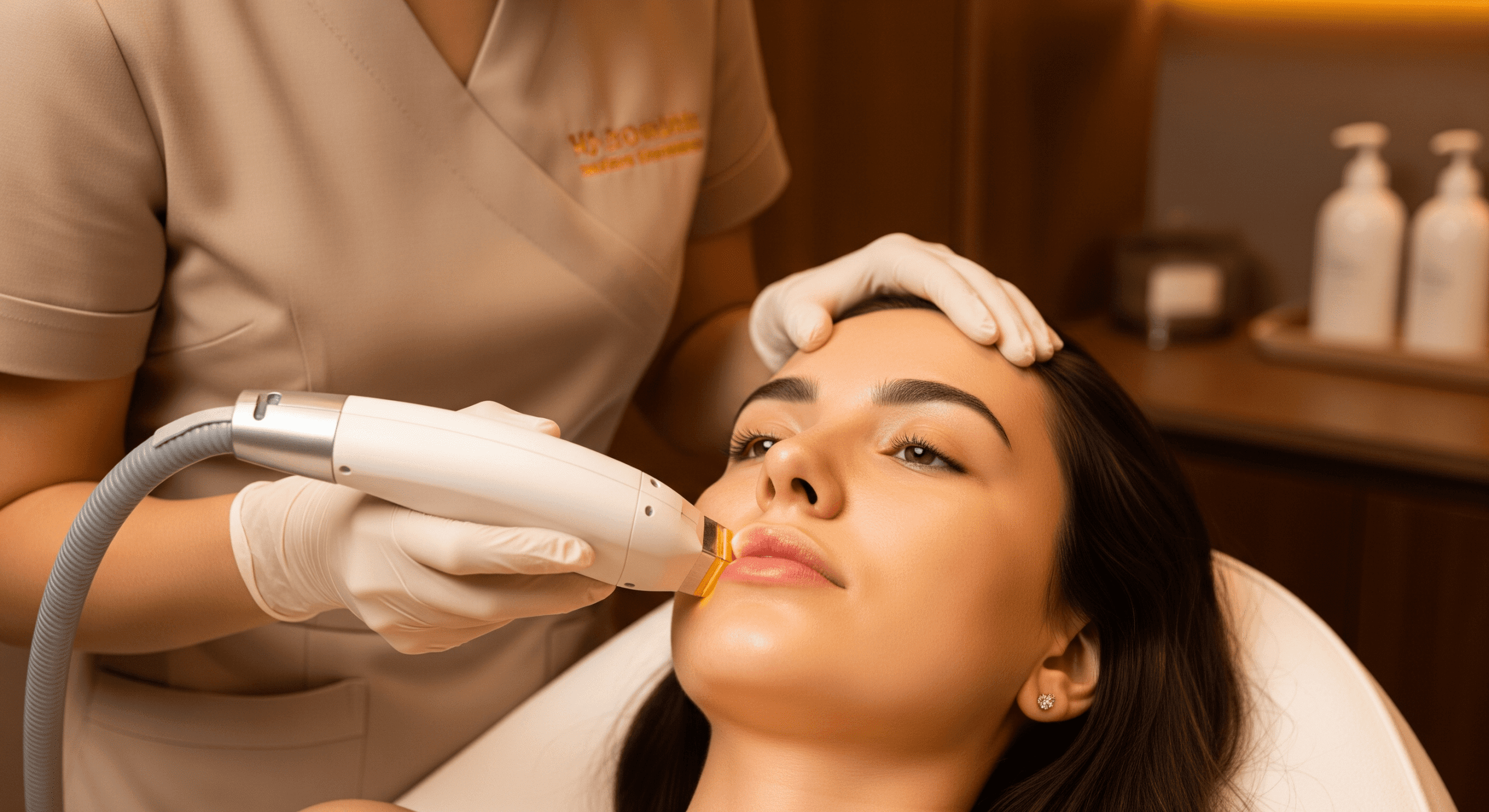
Peptides are everywhere in skin care—serums, moisturizers, eye creams, even your favorite “anti-aging miracle” cream. But despite the buzz, many products don’t deliver the real repair peptides promise. Why? Because when it comes to peptide skin care, formulation and delivery matter just as much as the ingredient itself.
In this blog, we’ll break down what peptides are, why they’re essential for skin health, and how delivery systems determine whether those peptides actually work—or just sit on your skin doing nothing. If you’re investing in peptides, this is the science you need to make it worth it.
Jump To:
- What Are Peptides—and Why Does Your Skin Love Them?
- Types of Peptides in Skin Care
- The Real Challenge: Getting Peptides Into the Skin
- How Delivery Systems Impact Peptide Efficacy
- Why Drugstore Peptide Products Often Fall Short
- What to Look for in Effective Peptide Skin Care
- Who Should Use Peptide Skin Care?
- Key Takeaways
- FAQs
TLDR – Quick Guide
- Peptide skin care uses small chains of amino acids to trigger repair, collagen production, and anti-inflammatory responses.
- Not all peptides penetrate the skin—delivery systems like liposomes and encapsulation increase absorption.
- Without effective delivery, even expensive peptide formulas can fail.
- The best products pair peptides with stabilizers and transport agents that ensure they reach the deeper skin layers.
- Clinics like Skin Care Institute carry professional-grade peptide products that combine potency with smart delivery.
What Are Peptides—and Why Does Your Skin Love Them?
Peptides are short chains of amino acids, which are the building blocks of proteins like collagen, elastin, and keratin. In skin care, they act as messengers, signaling your body to perform specific functions like:
- Repairing tissue damage
- Increasing collagen and elastin production
- Reducing inflammation and redness
- Strengthening the skin barrier
- Boosting hydration
Peptides are naturally found in your skin, but as you age, their production slows down. That’s where topical peptides come in—to mimic your body’s natural repair signals.
Types of Peptides in Skin Care
Understanding the types of peptides helps you know what to look for on a label:
1. Signal Peptides
These trigger the skin to produce more collagen and elastin. Common examples: Matrixyl (palmitoyl pentapeptide) and palmitoyl tripeptide-1.
2. Carrier Peptides
They transport trace minerals like copper to support wound healing and enzyme functions. Copper peptides fall into this category and are loved for their rejuvenating, firming effects.
3. Neurotransmitter Inhibitor Peptides
These peptides reduce the release of acetylcholine, relaxing facial muscles and minimizing expression lines (Botox-like effect).
4. Enzyme Inhibitor Peptides
They block enzymes that break down collagen, keeping your skin firmer for longer.
Each type serves a unique purpose—but none of them matter if they don’t reach their target in your skin.
The Real Challenge: Getting Peptides Into the Skin
Your skin’s primary job is to keep things out, not let them in. This barrier function is what makes peptide delivery tricky. Many peptides are hydrophilic (water-loving) and too large to penetrate deeply on their own.
So how do effective formulations get around this? Enter: delivery systems.
How Delivery Systems Impact Peptide Efficacy
1. Encapsulation Technology
This method encloses peptides in a protective carrier (like liposomes or nanospheres) that mimics skin cell membranes. Once inside the skin, the capsule breaks down, releasing the peptide exactly where it’s needed.
2. Liposomal Delivery
Liposomal structures are made of phospholipids—the same material as your skin’s own cells. These enhance absorption, reduce peptide breakdown, and increase stability.
3. Penetration Enhancers
Some peptides are paired with agents like niacinamide, hyaluronic acid, or glycols that soften the skin barrier just enough to let actives pass through.
4. pH and Stability Optimization
Peptides are delicate. Poor pH levels or exposure to light and air can break them down. High-quality products use airless packaging, tinted bottles, and pH-balanced formulas to keep peptides potent.
Why Drugstore Peptide Products Often Fall Short
Many over-the-counter “peptide” products include low concentrations or unstable forms that degrade before they ever touch your skin. Others use delivery systems that don’t push peptides beyond the epidermis, meaning they never reach the fibroblasts responsible for collagen production.
Just because a product lists “peptides” on the front doesn’t mean it delivers them where it counts. Formulation science separates hype from results.
What to Look for in Effective Peptide Skin Care
- Multiple peptides in one formula (look for combinations like Matrixyl + Argireline + Copper peptides)
- Encapsulated or liposomal delivery systems
- Air-tight or UV-blocking packaging
- pH-balanced, fragrance-free formulations
- Paired actives like vitamin C, niacinamide, or ceramides for synergistic repair
- Recommendations from a medical spa or dermatologist, like those at Skin Care Institute
Who Should Use Peptide Skin Care?
Everyone—from acne-prone teens to aging skin in its 60s—can benefit from peptides. They’re:
- Gentle on sensitive skin
- Compatible with retinoids and acids
- Helpful for rosacea and post-procedure recovery
- Ideal for dry, thinning, or damaged skin barriers
That said, those with deep wrinkles, scarring, or visible laxity should combine peptides with in-clinic treatments like microneedling or laser therapy for best results.
Key Takeaways
- Peptide skin care is only effective if the peptides are delivered into the deeper skin layers.
- Without the right delivery system, even high-priced formulas may do little.
- Look for encapsulated or liposomal peptides, paired with supportive ingredients.
- Always check packaging, stability, and concentration—not just marketing buzzwords.
- For professional-grade options, clinics like Skin Care Institute offer peptide products that actually perform.
FAQs
1. How long does it take to see results from peptide skin care?
Most users see subtle improvements within 4–6 weeks, with more noticeable firming, hydration, and texture changes by 8–12 weeks.
2. Can I use peptides with retinol or vitamin C?
Yes! Peptides are non-reactive and pair well with actives like retinol, vitamin C, and AHAs, making them great for layered routines.
3. Do peptides replace collagen supplements?
No—topical peptides support skin from the outside, while supplements support from the inside. Both can work synergistically.
4. Is it worth buying luxury peptide creams?
Only if they have evidence-based formulations and proven delivery systems. Many luxury brands sell texture over science.
5. Are peptides safe for all skin types?
Generally, yes. They’re non-irritating, fragrance-free, and ideal for sensitive, dry, aging, or post-treatment skin.