Laser treatments can dramatically improve skin tone, texture, and overall skin quality—but the real results happen during recovery.
That’s why protecting the skin barrier after laser treatment is one of the most important parts of the healing process.
Many people focus entirely on the procedure itself and overlook what happens afterward. But when the skin barrier is compromised, recovery slows down, irritation increases, and results may not heal as smoothly as expected.
At Skin Care Institute, post-treatment recovery is treated as a critical part of the overall process because healthy healing leads to healthier-looking skin long-term.
Let’s break down why the skin barrier matters so much after laser treatments—and how proper recovery supports better results.
Jump to:
- TLDR – Quick Guide
- What Is the Skin Barrier?
- Why Laser Treatments Affect the Skin Barrier
- Why Barrier Recovery Improves Results
- How to Support the Skin Barrier After Laser Treatment
- How Long Does Barrier Recovery Take?
- Signs Your Skin Barrier Needs More Support
- Why Professional Guidance Matters
- Key Takeaways
- FAQs
TLDR – Quick Guide
- Laser treatments temporarily weaken the skin barrier
- Barrier recovery helps reduce irritation and inflammation
- Proper aftercare improves healing and treatment results
- Hydration and gentle skincare are essential during recovery
- Protecting the skin barrier helps prevent complications
What Is the Skin Barrier?
The skin barrier is your skin’s protective outer layer.
It helps:
- Lock in moisture
- Protect against bacteria and irritants
- Reduce water loss
- Maintain healthy skin function
When the barrier is damaged or weakened, the skin becomes:
- More sensitive
- More reactive
- More vulnerable to irritation
This is why supporting the skin barrier after laser treatment is so important.
Why Laser Treatments Affect the Skin Barrier
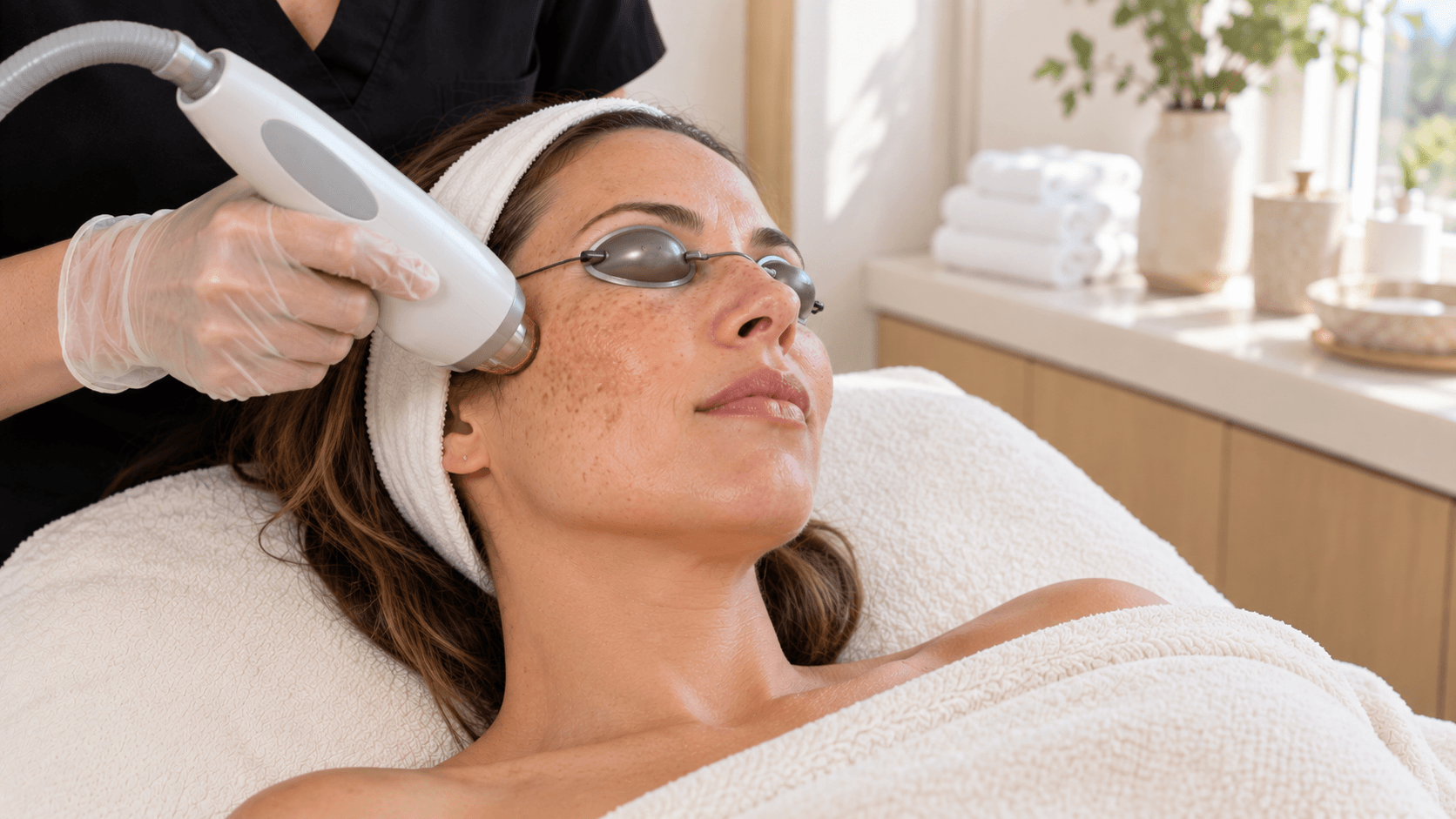
Laser treatments work by creating controlled injury within the skin to stimulate renewal and collagen production.
While this process is beneficial, it also temporarily disrupts the skin barrier.
After treatment, it’s common to experience:
- Redness
- Dryness
- Peeling
- Increased sensitivity
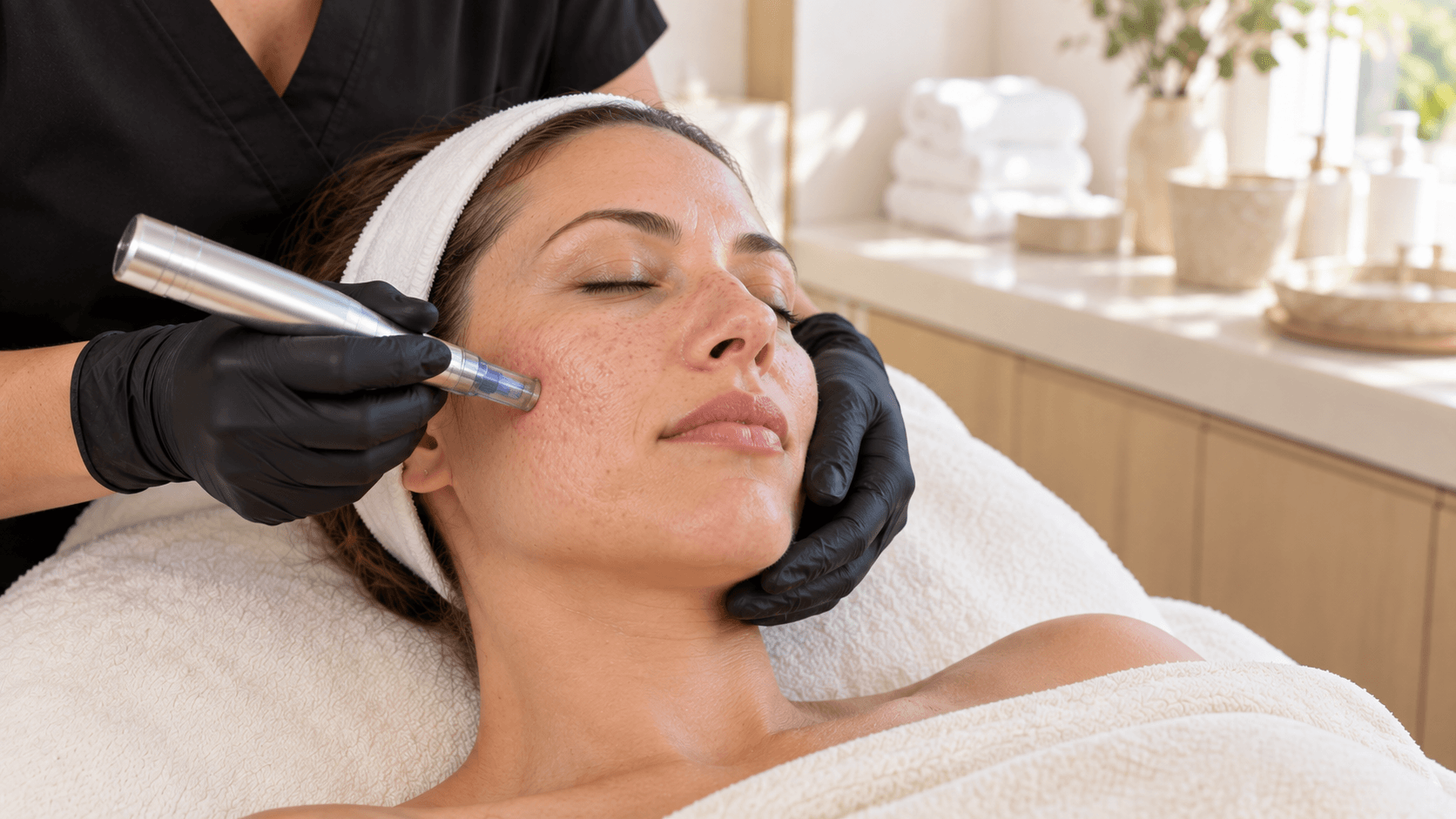
Treatments like laser skin resurfacing often create more noticeable barrier disruption because they target deeper layers of the skin.
Why Barrier Recovery Improves Results
The skin heals best when the barrier is protected and supported.
Proper recovery helps:
- Reduce inflammation
- Improve moisture retention
- Speed up healing
- Minimize irritation
When the barrier recovers properly, skin is more likely to heal evenly and maintain smoother, healthier-looking results.
How to Support the Skin Barrier After Laser Treatment
Prioritize Hydration
Hydration is one of the biggest factors in barrier repair.
Hydrated skin:
- Heals more efficiently
- Feels less irritated
- Maintains better balance during recovery
Treatments like HydraFacial MD Elite may sometimes be incorporated into long-term skin maintenance plans once the skin has fully healed to help support hydration and skin health.
Avoid Harsh Products
After laser treatments, the skin is far more sensitive than usual.
Avoid:
- Strong exfoliants
- Retinoids
- Aggressive acids
- Harsh cleansers
These products can further weaken the barrier and slow recovery.
Protect Against Sun Exposure
The skin barrier becomes more vulnerable to UV damage after laser procedures.
Sun exposure during healing may increase:
- Irritation
- Hyperpigmentation
- Redness
Daily sunscreen and sun protection are essential during recovery.
Use Gentle Recovery Treatments
Not all skin rejuvenation treatments are aggressive.
Gentler options like Clear + Brilliant may involve shorter recovery periods, but barrier protection is still important for optimal healing.
Similarly, treatments like chemical peels also require careful aftercare because they temporarily compromise the skin barrier during exfoliation.
How Long Does Barrier Recovery Take?
Recovery varies depending on:
- Treatment intensity
- Skin sensitivity
- Aftercare habits
General healing timelines:
- Mild treatments: a few days
- More aggressive resurfacing: several weeks
Even after visible redness fades, the skin may still be healing beneath the surface.
Signs Your Skin Barrier Needs More Support
Common signs of a weakened barrier include:
- Persistent redness
- Tightness or burning
- Flaking or dryness
- Increased sensitivity
If these symptoms linger, the skin may need additional recovery support.
Why Professional Guidance Matters
Recovery is not one-size-fits-all.
At Skin Care Institute, recovery plans are customized based on:
- Treatment type
- Skin condition
- Healing response
- Long-term skin goals
For patients focused on long-term skin rejuvenation, barrier recovery is treated as a critical part of achieving healthy, lasting results.
Key Takeaways
- Laser treatments temporarily weaken the skin barrier
- Proper recovery helps improve healing and reduce irritation
- Hydration and gentle skincare are essential
- Sun protection plays a major role in recovery
- Healthy barrier repair supports better long-term skin results
FAQs
1. Why is the skin barrier important after laser treatment?
The skin barrier helps protect and heal the skin after treatment. When it’s weakened, irritation and sensitivity increase. Supporting recovery helps improve overall results.
2. How long does the skin barrier take to recover after lasers?
Recovery depends on the treatment intensity and your skin type. Mild treatments may recover within days, while deeper resurfacing can take weeks. Proper aftercare helps speed up healing.
3. What products should I avoid after laser treatment?
Avoid harsh exfoliants, retinoids, and strong acids during recovery. These products can further irritate sensitive skin. Gentle skincare is recommended until healing improves.
4. Can hydration help skin heal after laser treatments?
Yes, hydration is extremely important during recovery. Well-hydrated skin heals more efficiently and experiences less irritation. Supporting moisture balance helps protect the barrier.
5. Is redness normal after laser treatment?
Yes, temporary redness is common after laser procedures. It’s part of the skin’s healing response. However, persistent irritation should be evaluated by your provider.