So you just started a new skincare product or had a professional treatment—and instead of glowing skin, you’re now battling breakouts. Is it the product working? Or is it a reaction gone wrong? Understanding skin purging vs breakout is crucial to knowing whether to power through or pause your routine.
At Skin Care Institute in Tulsa, we guide patients through every stage of their skincare journey—including the confusing aftermath of treatments. In this blog, we’ll break down how to tell the difference between purging and breakouts, what causes them, and how to manage both with confidence.
Jump To:
TLDR – Quick Guide
- Skin purging = temporary breakout caused by increased skin turnover.
- Breakouts = reaction to irritation, clogged pores, or improper products.
- Purging tends to occur in acne-prone areas and resolves in 2–6 weeks.
- Breakouts often happen in new areas and may worsen if ignored.
- Knowing the difference helps you avoid quitting a good routine—or sticking with a bad one.
1. What Is Skin Purging?
Skin purging happens when skincare or treatments speed up the skin’s cell turnover rate. Ingredients like retinoids, AHAs/BHAs, vitamin C, and peels push existing congestion (blackheads, whiteheads, microcomedones) to the surface faster than usual.
This sudden detox can look like:
- Clusters of small whiteheads or pustules
- Mild inflammation in common breakout zones (chin, forehead, nose)
- Tightness, dryness, or flaking from barrier disruption
- Improved skin clarity after the flare-up subsides
Think of purging as your skin’s way of getting worse before it gets better. It’s not caused by new breakouts forming—it’s caused by dormant blemishes surfacing faster than they normally would.
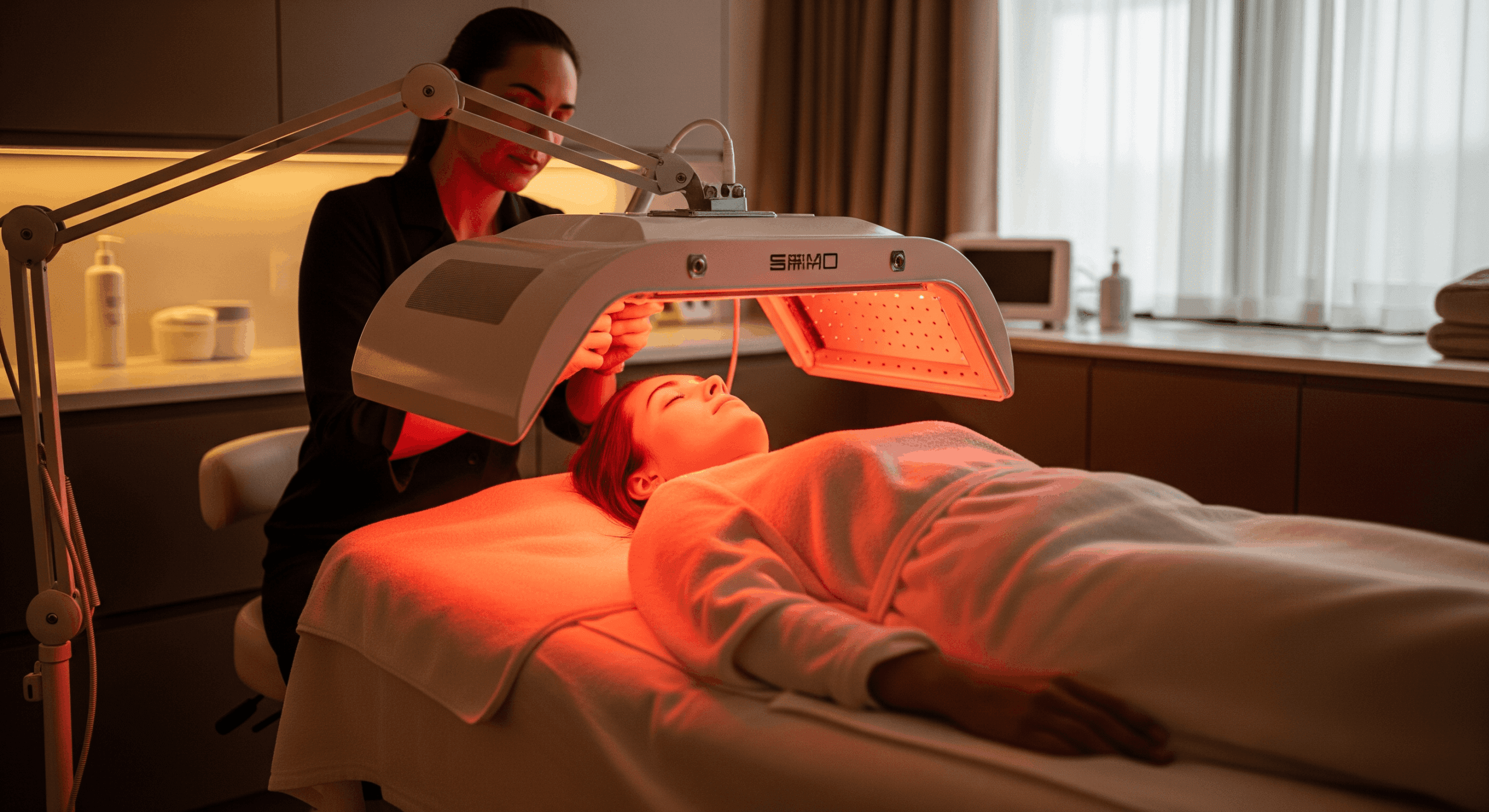
At Skin Care Institute, we often see purging after treatments like microneedling, chemical peels, or starting medical-grade skincare routines. And yes—it can be a sign your skin is responding properly.
2. What’s a Traditional Breakout?
Breakouts, on the other hand, are not part of the healing process. They’re a sign something isn’t agreeing with your skin—be it ingredients, application methods, hormonal shifts, or over-exfoliation.
Common causes of breakouts include:
- Heavy, occlusive products clogging pores
- Fragrance, alcohol, or essential oils irritating sensitive skin
- Overuse of actives that strip your barrier
- Hormonal changes, especially around the jawline or chin
Unlike purging, breakouts:
- Often occur in new or random areas of the face
- Show up as inflamed papules, pustules, or cysts
- Can worsen if product use continues
- Rarely resolve on their own without removing the trigger
If your skin is getting more inflamed, painful, or spreading, it’s likely not a purge. That’s when we recommend evaluating your product ingredients—or coming in for a professional consultation.
3. Skin Purging vs Breakout: How to Tell the Difference
Let’s get clear with side-by-side comparisons:
| Characteristic | Skin Purging | Breakout |
| Triggered by | Active ingredients or treatments | Irritating or comedogenic products |
| Timing | Begins 1–2 weeks after new regimen | Can start anytime |
| Location | Common acne-prone zones | Random or new areas |
| Type of Blemishes | Small whiteheads, flakiness, mild pustules | Papules, cysts, blackheads, inflammation |
| Duration | Resolves within 2–6 weeks | Persists until trigger is removed |
| Outcome | Leads to clearer skin | May worsen if not addressed |
If your skin looks like it’s shedding old congestion in familiar zones—and improving slowly—that’s likely a purge. If it’s spreading, worsening, or painful? It’s time to rethink your approach.
4. How Long Is Too Long for Skin Purging?
While it varies, purging should follow a fairly predictable timeline. Most cases start within the first 7–14 days of a new active and last no more than 4–6 weeks.
You may notice:
- Blemishes rising quickly then healing faster than normal
- Breakouts happening in waves, not constant flare-ups
- A distinct turning point where skin smooths out noticeably
If after 6 weeks your skin is still inflamed, the purge has turned into a breakout—or you’re reacting to something else entirely. In this case, we can adjust your regimen or recommend calming, balancing services like Spa Facial Therapies.
5. Managing Skin Purging the Right Way
Purging doesn’t mean your skin is “freaking out”—it means it’s working overtime. But that doesn’t mean you should suffer through it blindly. Here’s how to support your skin without giving up too early:
- Ease into new products: Start with 2–3 nights a week before building up frequency.
- Hydrate generously: Pair actives with barrier-repair moisturizers and hydrating serums.
- Avoid over-exfoliating: Limit use of scrubs, masks, or chemical exfoliants during purging.
- Use SPF daily: Your skin is more vulnerable to sun damage during turnover.
- Book a clarifying facial: Gentle extractions and lymphatic drainage can speed up purging safely.
Key Takeaways
- Skin purging vs breakout is a key distinction when starting new skincare or undergoing treatments.
- Purging is temporary, predictable, and often a sign your product is working—don’t quit too soon.
- Breakouts are often the result of irritation, clogged pores, or the wrong product for your skin.
- Pay attention to timing, location, type of blemishes, and overall skin trend.
- With the right support, you can get through the purge and reach clearer, smoother skin.
FAQs
1. Can a breakout turn into purging?
No—purging starts from increased cell turnover. A breakout that worsens with time is likely irritation, not purging.
2. Can treatments like microneedling cause purging?
Yes. Treatments that stimulate renewal (like microneedling, peels, or retinoids) can trigger purging by accelerating the push-out of clogged pores.
3. Should I stop using a product during purging?
Only if the purging is extremely painful, spreading, or persistent past 6 weeks. Otherwise, stick with it and support your skin with hydrating, calming care.
4. What are signs that it’s not purging?
If breakouts are happening in new areas, worsening over time, or accompanied by irritation like burning or rash, it’s likely a breakout—not purging.
5. Can a professional facial help reduce purging?
Yes. Our facial therapies include gentle extractions and detox support that help speed up the purging phase while keeping inflammation under control.