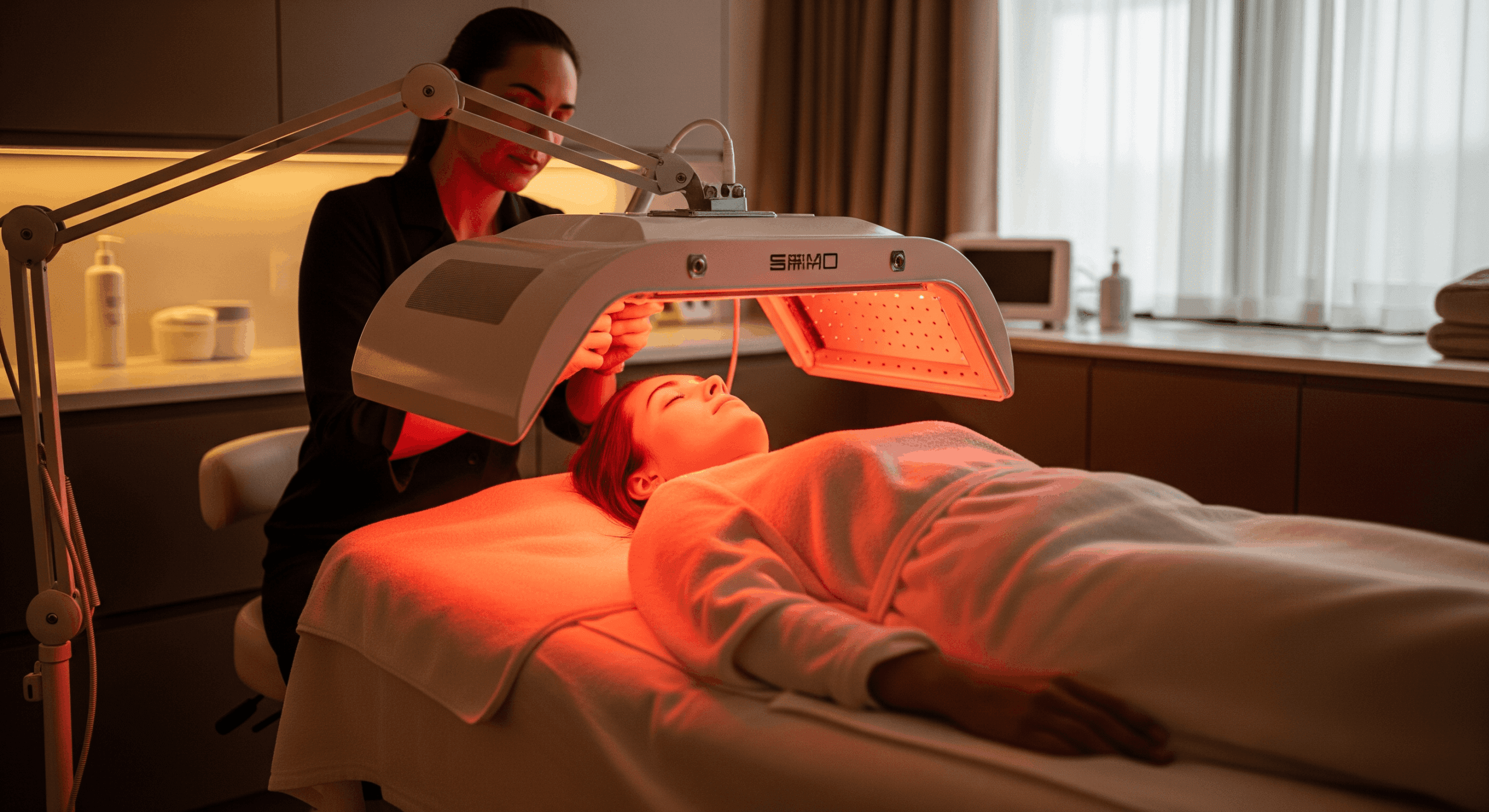
Skin laxity and sagging are among the most common concerns as we age. Non-surgical skin tightening treatments like Ultherapy and Thermage have grown in popularity because they offer effective lifts without surgery. Choosing the right treatment can be confusing—both promise firmer skin but use different technologies and have unique benefits. Understanding how each works and what results you can expect is crucial to making an informed decision.
Jump to:
TLDR – Quick Guide
- Ultherapy uses focused ultrasound energy to stimulate deep collagen production and lift skin layers.
- Thermage uses radiofrequency (RF) energy to tighten skin by heating the dermis and boosting collagen.
- Ultherapy penetrates deeper, ideal for lifting the neck, chin, and brow.
- Thermage provides smoother, tighter skin with fewer sessions, great for overall skin texture improvement.
- The best choice depends on your skin laxity, treatment goals, and tolerance for downtime.
How Ultherapy Works
Ultherapy delivers focused ultrasound waves beneath the skin’s surface targeting the foundational layers that typically respond only to surgery. By heating these layers precisely, it jumpstarts collagen regeneration and lifts sagging tissue over 2–3 months. Ultherapy is FDA-cleared for lifting the brow, neck, chin, and décolletage. Patients appreciate that results develop gradually, producing a natural lift without needles or downtime.
How Thermage Works
Thermage uses radiofrequency energy to heat the dermis, tightening existing collagen and stimulating new collagen growth. Unlike Ultherapy’s focused ultrasound, Thermage provides a broader, more surface-level treatment, improving skin texture, contour, and firmness. It’s FDA-approved for facial and body tightening, typically completed in a single session with minimal discomfort. Improvements continue for up to six months post-treatment.
Comparing Results and Suitability
- Depth of Treatment: Ultherapy targets deeper layers, making it more effective for lifting and tightening loose skin in critical areas like under the chin and jawline. Thermage primarily tightens the dermal layer, enhancing skin texture and firmness.
- Number of Sessions: Ultherapy often requires a single treatment but sometimes a touch-up after a year. Thermage typically offers results after one session, with some clients opting for annual maintenance.
- Downtime: Both treatments have minimal downtime. Ultherapy can cause mild redness and swelling for a few days, while Thermage may cause temporary redness or slight swelling.
- Pain & Comfort: Thermage uses a vibrating tip to reduce discomfort; Ultherapy involves brief pulses of heat which some find more intense but tolerable.
- Best Candidates: Ultherapy suits patients with moderate to severe laxity seeking lifting effects. Thermage is ideal for those with mild to moderate laxity focused on skin smoothing and tightening.
Key Takeaways
- Ultherapy delivers deeper, lifting-focused results using ultrasound energy.
- Thermage offers skin smoothing and tightening with RF energy and is great for texture improvement.
- Both have minimal downtime and are safe, FDA-cleared treatments.
- Treatment choice depends on skin laxity severity, target areas, and personal comfort preferences.
- Consulting with a qualified provider is essential to select the optimal approach for your skin goals.
FAQs
1. Can I combine Ultherapy and Thermage treatments?
Yes, some patients benefit from combining both for comprehensive tightening and texture improvement, but it should be done under professional guidance.
2. How long do results last?
Results typically last 1–2 years, depending on individual aging and maintenance.
3. Are there any side effects?
Common side effects include temporary redness, swelling, or tenderness which resolve quickly.
4. Which treatment is better for the neck area?
Ultherapy is generally preferred for neck lifting due to its deeper penetration.
5. When will I see results after treatment?
Results develop gradually over 2–6 months as new collagen forms and tightens skin.